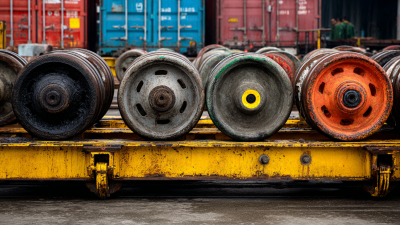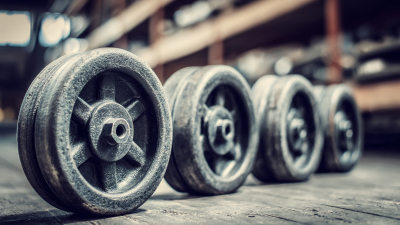
Global sourcing begins with a practical question: who can reproduce character without sacrificing reliability? Antique Metal Casters help answer it through controlled alloy selection, traditional patterns, and careful finishing. Their work may include brass furniture casters, iron wheels, decorative feet, and restoration components. Each piece must look aged, yet perform consistently.
Casting researcher John Campbell has stated, “The quality of the liquid metal is the key to the quality of the casting.” This principle matters when sourcing antique-style hardware across borders. A dependable foundry records alloy composition, mold temperature, pouring conditions, and finishing steps. Buyers should request dimensional drawings, material samples, production photographs, and inspection records. A sample can reveal more than a polished catalogue image.
The best sourcing decision is rarely based on price alone. It considers repeatability, packaging strength, communication speed, and the supplier’s experience with delicate surfaces. Look closely at the details: a clean wheel groove, a firm axle, and a patina that does not hide surface defects. Small differences matter.
No supplier is perfect. Some color variation is unavoidable. That may even improve authenticity. However, inconsistent dimensions can create serious installation problems. Buyers should define acceptable tolerances before production begins. They should also verify capacity, lead times, and quality procedures through direct evidence.
Choosing Antique Metal Casters is therefore a balance between heritage and control. Experienced manufacturers can preserve visual character while meeting modern purchasing expectations. Still, trust should be earned gradually, through samples, documented processes, and honest conversations. The surface tells a story. The measurements tell the truth.
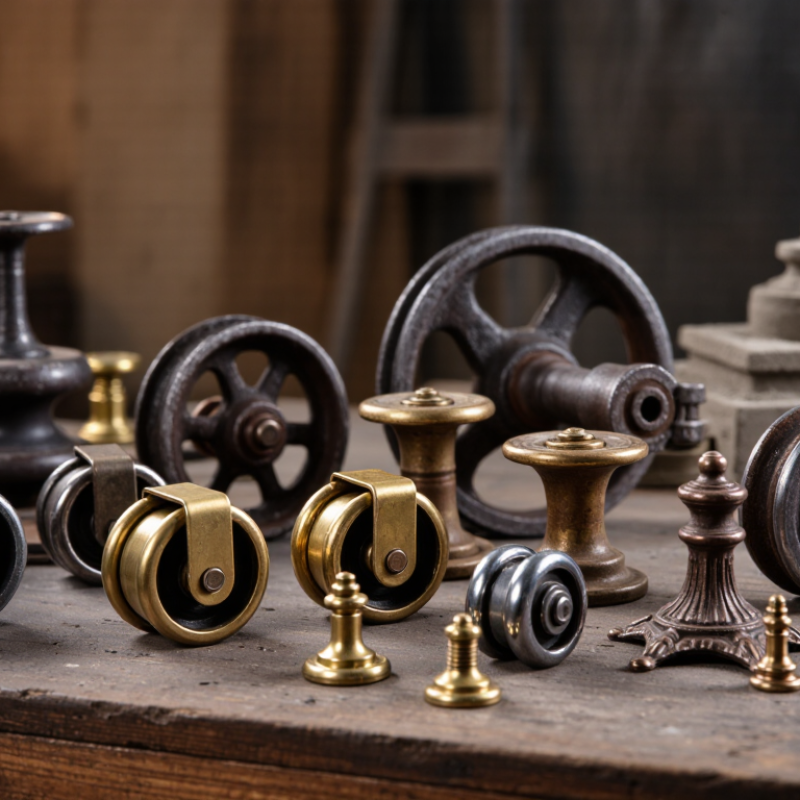
Antique metal casters are wheel assemblies designed to add movement and aged character to furniture, cabinets, trunks, and display fixtures. They commonly use steel, iron, brass, or zinc-based metal with finishes such as brushed bronze, darkened iron, or distressed brass. The antique appearance may come from controlled finishing, not actual age. Looks can mislead. A reliable evaluation should check wheel diameter, mounting plate size, swivel range, brake design, and rated load capacity. These details determine whether a caster suits a delicate side table or a heavy storage cabinet. On wooden floors, softer wheels can reduce marks, while harder wheels may roll better across workshop surfaces.
In practical use, antique metal casters help reposition furniture without removing its visual character. A cabinet can move several centimeters for cleaning, and a serving cart can turn smoothly around narrow corners. For global sourcing, buyers should request finish samples, material information, packaging details, and load-test records. Thread sizes and mounting holes may differ between production regions. That small mismatch can delay installation. I have seen product descriptions focus heavily on appearance while ignoring floor protection and long-term wear. This is an easy mistake to repeat. Suppliers should also explain how the finish reacts to moisture, friction, and regular handling. Antique casters are attractive, but their performance still depends on accurate specifications and honest testing.
Antique metal casters are defined by material before decoration. In restoration work, cast iron remains valued for its stiffness and authentic weight. Brass offers warmer color and resists ordinary indoor corrosion. Bronze develops a deeper patina, though its surface can vary noticeably. Steel appears in many later designs and needs careful rust inspection. Material tells part of the story. It does not tell everything.
Designs range from small ball casters to fluted wheels, stem casters, and plate-mounted forms. A brass ball caster suits a narrow leg and moves quietly across finished wood. Larger iron wheels support heavier cabinets but may mark delicate flooring. Swivel plates improve movement, while fixed plates preserve a traditional stance. Check wheel diameter, mounting holes, stem length, and load rating. Small mismatches create expensive fitting problems. In my inspections, identical-looking casters often differ by several millimeters. That detail is easy to miss.
Reliable global sourcing requires clear photographs, measured samples, and documented finish descriptions. Ask whether the dark color is naturally aged, chemically treated, or simply painted. A convincing antique appearance should not hide cracks, loose rivets, sharp edges, or unstable plating. I prefer suppliers who explain tolerances and share test results. Still, no inspection is perfect. Patina can be attractive, yet it may conceal pitting underneath. Buyers should balance historical character with safe, dependable performance. Sometimes the less perfect caster is the more honest choice.
Antique metal casters can support global sourcing goals by combining practical movement with a distinctive, time-worn appearance. In workshop evaluations, buyers often inspect wheel balance, mounting strength, and finish consistency before discussing style. Aged brass, iron, or steel surfaces can add character to furniture, cabinets, display units, and restoration projects. The visual effect feels authentic when small variations remain controlled.
Global sourcing also requires clear specifications. Reliable suppliers should provide dimensions, load ratings, material details, surface-treatment information, and sample approvals. These records help purchasing teams compare factories across regions. They also support safer product decisions and more predictable quality checks. Standardized mounting plates and common screw patterns may simplify replacement and international assembly. That matters when components travel through several supply stages.
Antique finishes are not always perfectly uniform. That can be attractive, but uncontrolled oxidation may create customer complaints. A good sourcing process should test salt exposure, abrasion, packaging pressure, and repeated rolling. Packaging needs care too. Loose metal parts can scratch nearby surfaces during long shipments. I have seen beautiful samples lose value after poor packing. A small pilot order can reveal these weaknesses before larger commitments. Cost remains important, yet the cheapest caster may demand more inspections, replacements, or design changes later. Suppliers should communicate production limits honestly, even when the answer disappoints. Reliability grows through documented testing, responsive corrections, and realistic delivery schedules.
Why Choose Antique Metal Casters for Global Sourcing?
Antique metal casters can look convincing in photographs, yet small defects affect value and performance. Buyers should request close images of the wheel, axle, mounting plate, and underside. Photographs are not proof. Ask for documented provenance, estimated age, restoration history, and evidence of matching components. A credible supplier should explain uncertainty instead of promising perfect authenticity.
Quality requires more than attractive patina. Check wheel diameter, plate thickness, swivel movement, corrosion depth, and load capacity. A magnet test may suggest steel, but it cannot confirm age or alloy. For costly orders, independent material testing, dimensional inspection, and a pre-shipment sample offer stronger evidence. Antique parts may not meet modern furniture safety expectations. That limitation must appear in the purchasing record.
Supplier reliability becomes visible through process discipline. Request batch photos, inspection criteria, packaging details, replacement terms, and realistic lead times. The World Bank’s 2023 Logistics Performance Index evaluates tracking and timeliness, both essential for international sourcing. UNCTAD’s Review of Maritime Transport 2023 reports that over 80% of global merchandise trade by volume moves by sea, making moisture protection especially important. Use sealed inner wrapping, separators, and visible carton labels. A missed detail can damage an otherwise excellent order. No checklist is flawless; buyers should still leave room for independent inspection and honest reassessment.
Buyers can evaluate antique metal casters through a practical sourcing scorecard that prioritizes product quality, authenticity, and supplier reliability.
The scorecard uses a 100-point procurement model: product quality and provenance receive the highest weighting, while communication and fulfillment history support supplier reliability.
Why Choose Antique Metal Casters for Global Sourcing?
Antique metal casters can add visual weight to furniture, displays, and restoration projects. Their cost depends on metal type, wheel size, finish, load rating, and production volume. Cast iron usually costs less than detailed brass work, but it weighs more. Hand-applied patina can raise labor costs and create slight color differences. Custom plates, stems, or brake systems may require tooling fees. Ask for a componentized quotation. It should separate product, tooling, inspection, packing, and freight charges. Hidden details matter.
Shipping costs grow quickly when dense metal fills a small carton. Confirm gross weight, carton dimensions, pallet limits, and stacking protection before ordering. Salt air and long transit can mark untreated surfaces, so use dry packaging and corrosion control when appropriate. Compare air, sea, and consolidated freight against the delivery deadline. The cheapest route may produce costly delays. Request pre-shipment photos and a packing list. A few extra minutes can prevent confusion at customs.
Import compliance requires accurate classification, origin records, invoices, and material information. Genuine antique items may need provenance or cultural-property documentation, while antique-style reproductions follow normal manufactured-goods procedures. Check destination rules for restricted materials, product safety, labeling, and wood packaging. Requirements vary by country and sometimes by port. Use a qualified customs professional for final confirmation. Do not rely on verbal assurance alone. My planning preference is conservative: budget for inspection and duty changes. Estimates are never perfect. That weakness deserves review before payment.