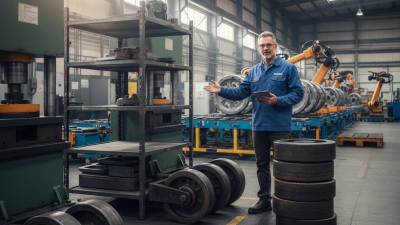
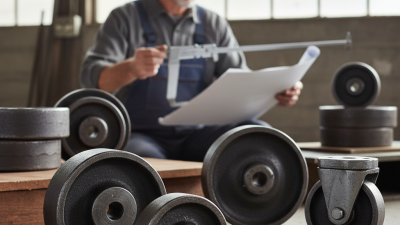
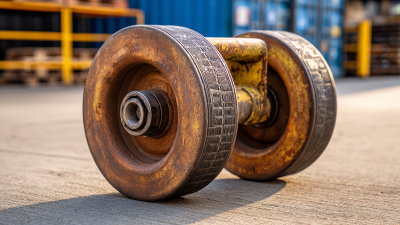
Why Choose Heavy Castor Wheels for Your Business Needs?
When it comes to industrial mobility, Heavy Castor Wheels stand out as a crucial asset. They provide unmatched support and strength for heavy loads. Businesses often underestimate their importance. Choosing the right wheels can impact efficiency and safety.
Heavy Castor Wheels can handle immense weight with ease. This is vital for factories and warehouses. Yet, not all businesses realize their potential. Improper choices in wheels can lead to frequent replacements and accidents. It’s essential to recognize the balance between cost and quality.
Investing in Heavy Castor Wheels means investing in long-term performance. They enhance the movement of equipment, reducing strain on workers. However, not all options cater to every need. Businesses must assess their specific requirements. Identifying the right type isn’t always straightforward. It requires thoughtful consideration of factors like weight capacity and surface compatibility.
Benefits of Heavy Castor Wheels for Industrial Applications
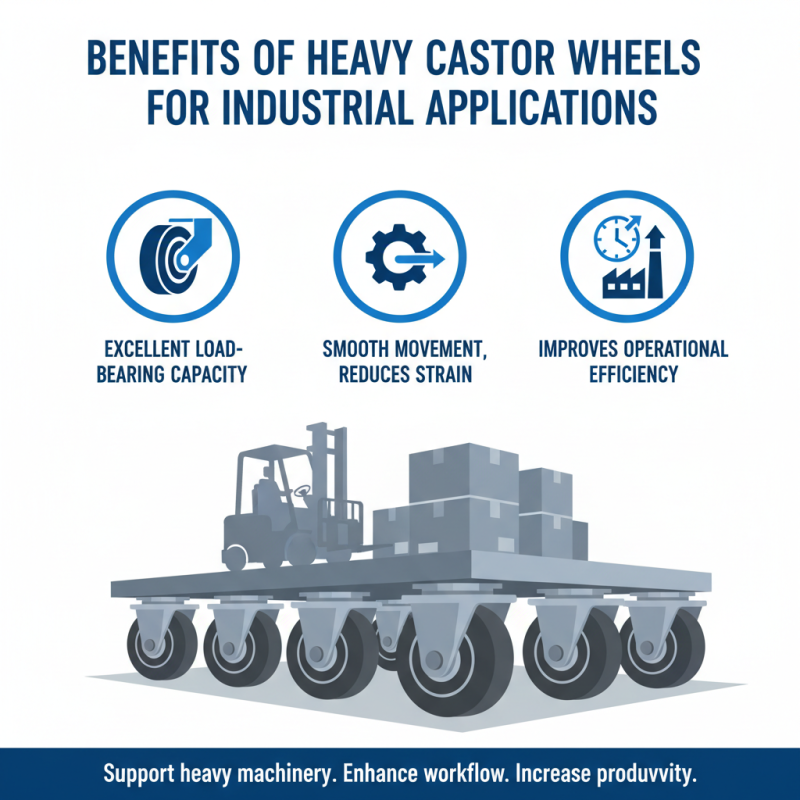
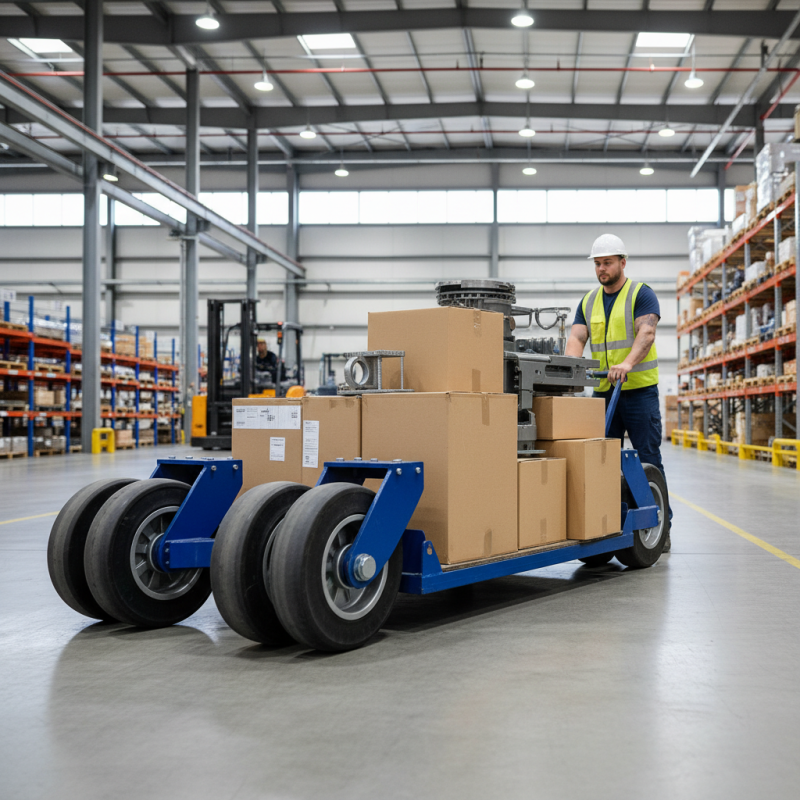
Heavy castor wheels are essential components in many industrial settings. These wheels provide excellent load-bearing capacity. They can support heavy machinery and equipment with ease. Their design allows for smooth movement, reducing strain on workers. In a busy warehouse, they can change the efficiency of operations significantly.
Another benefit of heavy castor wheels is their durability. They are made from tough materials, resisting wear and tear over time. This durability means fewer replacements, saving costs in the long run. However, not every heavy castor wheel performs equally. Some may not meet specific environmental demands, like exposure to chemicals or extreme temperatures.
When selecting heavy castor wheels, consider the surface they will roll on. Rough floors can create additional friction, affecting movement. Observe how these wheels handle different loads. This information is key in ensuring optimal performance. Experiment with different types to see what suits your application best.
Factors to Consider When Selecting Heavy Castor Wheels
When selecting heavy castor wheels for your business needs, several factors come into play. The weight capacity is crucial. Different wheels support varying loads. Always check the load rating to ensure safety. A hefty load could cause wheel failure. This may lead to accidents or damage.
Material choice is another essential aspect. Heavy-duty wheels often come in rubber, polyurethane, or metal. Each material offers different durability and shock absorption levels. For uneven surfaces, consider wheels with better grip. They provide stability and reduce slippage. Remember, a smooth rotation is crucial for ease of movement.
**Tips:** Choose wheels with sealed bearings. They resist dirt and debris. This prolongs the wheel life. Also, measure the floor type in your facility. Different surfaces require different wheel types. This simple step can save you future headaches. Reflect on how often you move your equipment. Everyday use may require more robust options.
Why Choose Heavy Castor Wheels for Your Business Needs?
This bar chart illustrates key factors to consider when selecting heavy castor wheels for business needs. The dimensions represented include load capacity, durability, cost, noise level, and wheel diameter. Choosing the right heavy castor wheels enhances operational efficiency and meets specific requirements.
Comparison of Heavy Castor Wheels vs. Standard Wheels
When evaluating heavy castor wheels versus standard wheels, the differences become clear.
Heavy castor wheels bear more weight and resist wear better than
standard wheels. This durability is crucial in environments where heavy loads are regular. They often feature robust materials, allowing them to
withstand rigorous usage without degrading. This can lead to fewer replacements over time, ultimately saving money.
However, they can also be more cumbersome. Heavy castor wheels may require more effort to maneuver compared to lighter,
standard options. This could lead to increased strain on workers, especially in tight spaces. Businesses should consider the specific workloads
and environments. Are the benefits worth the potential drawbacks? The right choice isn't always
straightforward, and every work scenario is unique. Heavy castor wheels may not be necessary for lighter applications, where standard wheels
could suffice.
As you weigh these options, think about the overall efficiency of your operations.
Will the added stability of heavy castors enhance your workflow?
Or, will the challenge of maneuverability lead to more issues than solutions?
Reflect on your needs carefully.
Maintenance Tips for Heavy Castor Wheels to Ensure Longevity
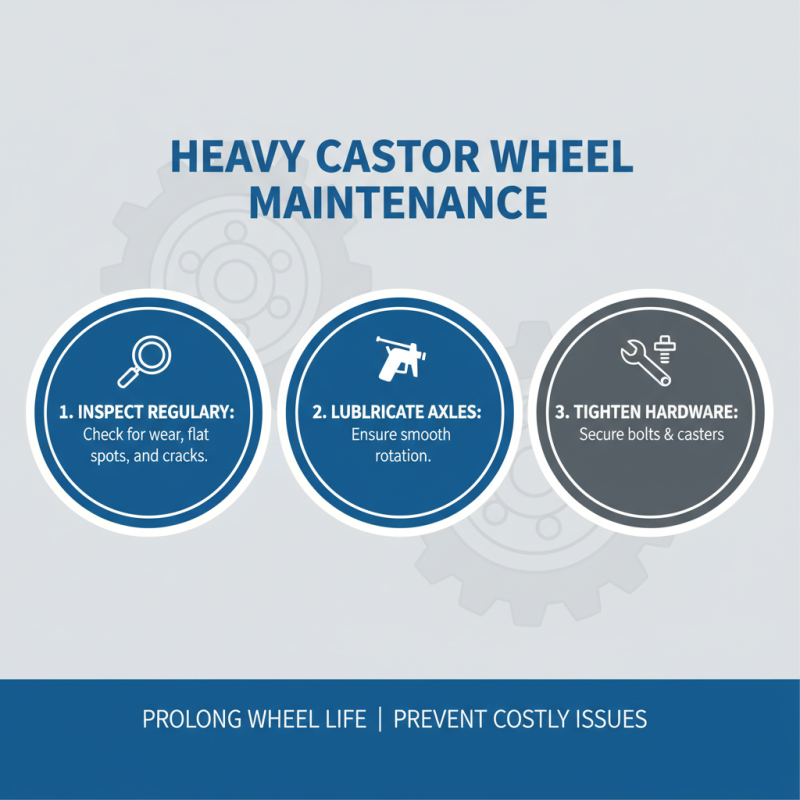
Heavy castor wheels are essential for many heavy-duty applications. Maintaining these wheels is crucial for ensuring their longevity and effectiveness. Regular maintenance can prevent issues before they arise. For instance, inspect the wheels frequently for wear and tear. Look for flat spots or any cracks. Small issues can become big problems if ignored.
Lubrication is another important aspect of maintenance. Use the right grease to keep the wheels moving smoothly. Over time, dirt can accumulate and hinder performance. Clean the wheels regularly to ensure optimal operation. Pay attention to the bearings as well. If they start to feel gritty or stiff, it may be time for a replacement. Delaying this can lead to further complications.
In addition, consider the surface where the castor wheels will be used. Uneven or rough surfaces can cause premature wear. Keep the working environment clean and free of debris. Sometimes, we overlook these details. Yet they can have a significant impact on wheel lifespan. Reflecting on these factors can help in maintaining your heavy castor wheels effectively.
Common Industries That Benefit from Heavy Castor Wheels
Heavy castor wheels are essential in various industries, transforming how businesses operate. The manufacturing sector often relies on these wheels to enhance mobility. According to recent studies, up to 70% of production facilities have implemented heavy-duty casters for machine transport. These wheels can handle loads exceeding 1,000 pounds, ensuring stable and efficient workflow.
In the logistics industry, the demands are even greater. Heavy castor wheels allow for smoother transport of goods in warehouses. Data reveals that warehouses with proper wheel systems increase operational efficiency by 20%. This highlights the crucial role of heavy castors in reducing manual labor and injury risks. Many businesses still underestimate the importance of investing in high-quality wheels.
In healthcare, heavy castor wheels are vital for rolling medical equipment. Studies show that hospitals using these wheels report a 15% decrease in equipment relocation time. However, some facilities still struggle with outdated equipment. The right wheels can greatly improve patient care and staff efficiency. Organizations must reflect on their current practices and consider upgrades for better performance.
Why Choose Heavy Castor Wheels for Your Business Needs? - Common Industries That Benefit from Heavy Castor Wheels
| Industry |
Typical Applications |
Benefits of Heavy Castor Wheels |
| Manufacturing |
Machinery transport, assembly lines |
Increased mobility, durability under heavy loads |
| Logistics |
Warehouse carts, freight handling |
Enhanced maneuverability, reduced effort in transportation |
| Retail |
Display units, shelving |
Improved ease of display movement, stability |
| Hospitality |
Trolleys for food service, luggage carts |
Smooth transport of goods, reliability in high-traffic areas |
| Healthcare |
Medical equipment transport, patient care carts |
Sturdiness and safety, ability to support heavy equipment |
| Construction |
Tool carts, material handling |
Ruggedness, ability to navigate uneven surfaces |