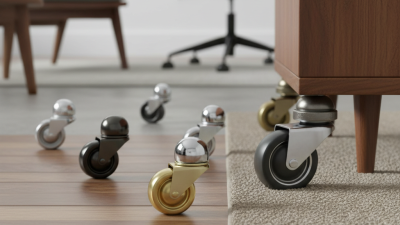
Why Choose the Right Furniture Castor Wheels for Your Needs?
Choosing the right furniture castor wheels is crucial for both functionality and safety. According to a recent industry report by Research and Markets, the global market for furniture wheels is projected to reach $3.2 billion by 2027, reflecting a growing demand for quality components. The right castor wheels can enhance mobility while minimizing damage to floors and furniture.
Furniture castor wheels come in various sizes and materials. Selecting the appropriate type depends on your furniture's weight and usage environment. For instance, heavier furniture requires durable, reliable castors that can withstand repeated movement. On the other hand, lighter options may suffice for items with minimal mobility needs. A misjudgment in choosing wheels can lead to safety hazards, such as tipping over or damaging surfaces.
While many choose castor wheels based solely on aesthetics or price, deeper evaluation is essential. The wrong choice can lead to operational inefficiencies and increased maintenance costs. Understanding the specific requirements of your environment can significantly impact overall performance. Quality furniture castor wheels are an investment that pays off, enhancing comfort and functionality in daily use.
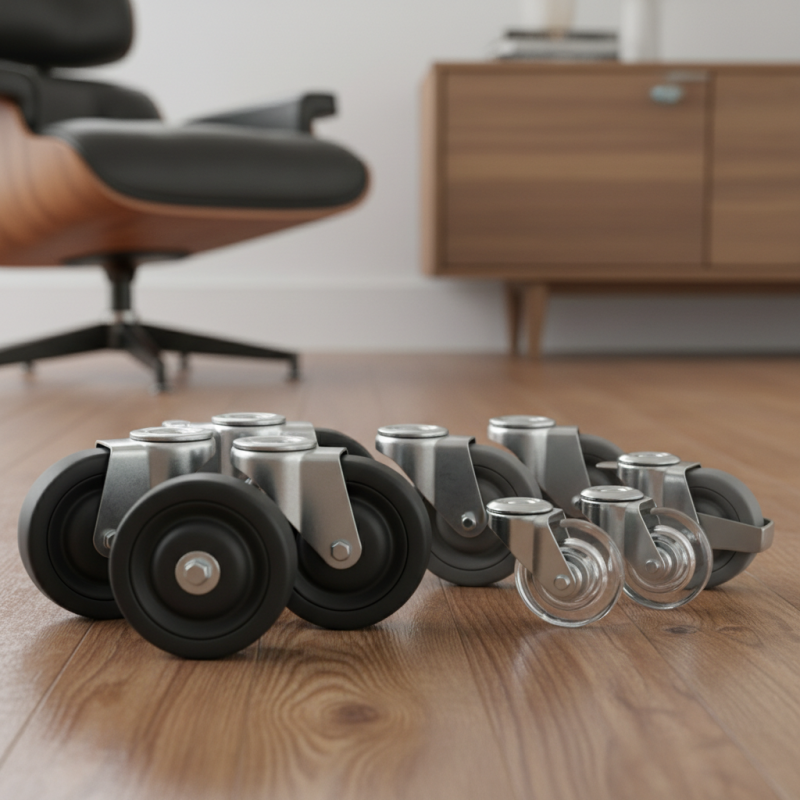
Understanding the Importance of Furniture Castor Wheels in Design Choices
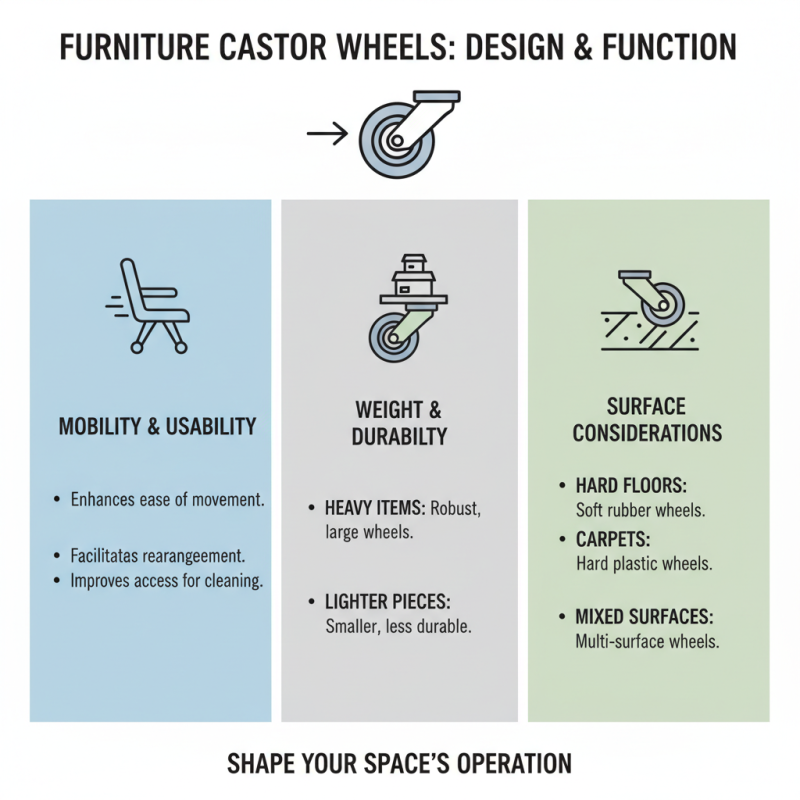
Choosing the right furniture castor wheels may seem trivial, but their impact on design and functionality is significant. The right wheels enhance mobility and usability. Consider the weight and surface of the furniture. Heavy items need robust wheels, while lighter pieces require less durable options. Each choice shapes how your space operates.
Design aesthetics also plays a crucial role. Castor wheels come in various styles and finishes. They can complement or clash with your existing decor. Think about your overall theme. A polished look may require sleek, minimalistic wheels. Conversely, for a rustic vibe, wooden or rubber wheels can enhance the charm. Finding the right balance is key.
Ignoring the importance of these wheels can lead to frustration. Poorly chosen wheels may hinder movement, causing scratches on floors. They can also compromise stability, leading to safety issues. Reflect on your specific needs and consider the environment. The right castor wheels not only improve function but also elevate design. Careful consideration can lead to a beautifully functional space.
Evaluating Different Types of Furniture Castor Wheels for Durability
Choosing the right furniture castor wheels can significantly impact durability and functionality. Different environments require specific wheels to withstand various weights and surface types. For instance, hard plastic wheels are often used on carpets, while rubber wheels provide a softer roll on hard surfaces. Each material has its unique longevity and suitability, making selection crucial.
When evaluating castor wheels, consider factors like load capacity and wheel diameter. Larger wheels roll more easily over obstacles. However, they may require more space. Smaller wheels, while compact, can wear out faster. Reflect on your needs to strike a balance. Some prefer the glide of a soft rubber wheel, while others might prioritize the sturdiness of a hard plastic one.
Moreover, consider the wheel construction. Swivel or fixed wheels serve different purposes. Swiveling wheels offer more maneuverability but may struggle with uneven surfaces. Fixed wheels provide stability but limit movement. Assessing your environment can help avoid mistakes. Experiment with different options to find the best fit for your furniture.
Assessing Load Capacity and Size Specifications for Optimal Functionality
Choosing the right furniture castor wheels is essential for functionality and efficiency. When assessing load capacity, it's crucial to consider the specific weight each wheel can support. According to industry standards, standard castor wheels typically have load capacities ranging from 50 to 1,200 pounds. Incorrect sizing can lead to accidents and increased maintenance costs.
Size specifications also play a pivotal role. Smaller wheels are generally better for smooth, hard surfaces. Larger wheels handle uneven ground more effectively. For instance, wheels measuring 4 inches in diameter are ideal for carpets, while those that are 6 inches or larger excel on rough terrain. Ignoring these specifications may result in mobility issues.
**Tip:** Always match the wheel size with the intended environment.
Many users overlook the importance of wheel material too. Rubber wheels provide better shock absorption while hard plastic wheels increase durability on flat surfaces. This balance is key for optimal performance.
**Tip:** Test various wheels before making a final choice.
Understanding load capacities and sizes ensures your furniture operates smoothly. Assessing these aspects will prevent premature wear and enhance your overall experience.
Load Capacity and Size Specifications for Furniture Castor Wheels
Exploring Material Options for Furniture Castor Wheels and Their Impact
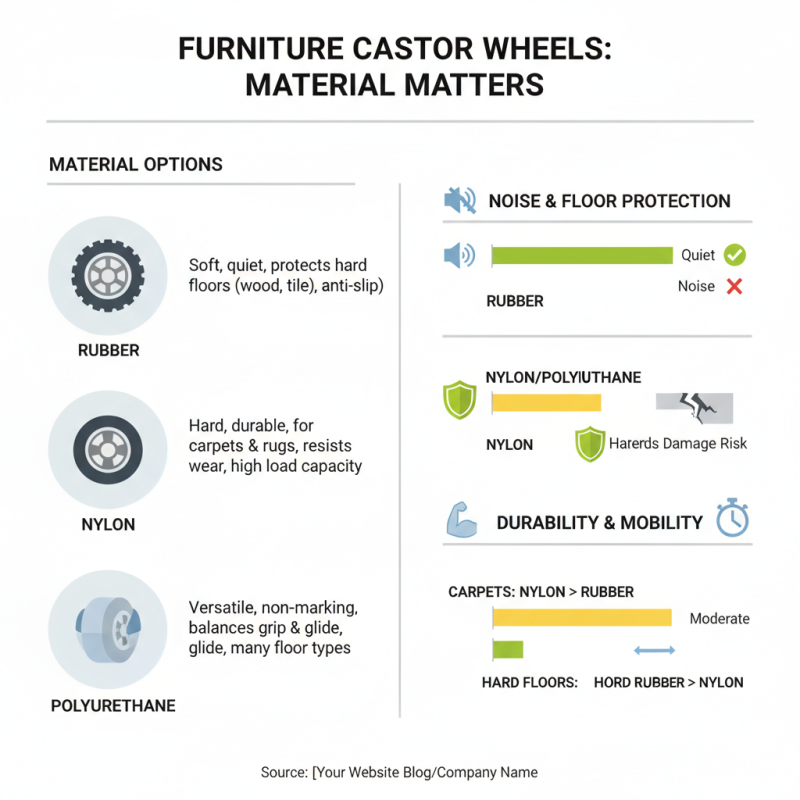
When selecting furniture castor wheels, the material you choose greatly influences performance. Common options include nylon, rubber, and polyurethane. Each brings distinct features suitable for various environments. For example, rubber wheels excel on hard floors, reducing noise and damage. Conversely, nylon wheels are often more appropriate for carpeted surfaces, offering durability and resistance to wear.
A recent industry report indicates that polyurethane wheels, which combine the best properties of rubber and nylon, have gained popularity. They offer a smooth glide while maintaining strength. Their load capacity frequently outweighs that of traditional materials, which can be vital for heavy furniture. The report highlighted that 64% of users prefer these wheels for their versatility. However, an important consideration is the overemphasis on load capacity. Selecting the wrong wheel can lead to unexpected issues.
Moreover, environmental factors must not be overlooked. Temperature fluctuations can affect performance. For instance, rubber may harden in cold weather, resulting in reduced mobility. Potential users should reflect on their specific needs. Knowing the limitations of each material can help in making informed decisions.
Best Practices for Maintenance and Replacement of Castor Wheels
Choosing the right furniture castor wheels is crucial for their longevity and your convenience. Regular maintenance can greatly extend their lifespan. Start by inspecting the wheels for any debris or dirt. A simple wipe with a damp cloth can do wonders. Rotating the wheels from time to time can also help prevent wear and uneven pressure.
Replacing castor wheels at the first sign of damage is essential. A broken wheel can lead to instability and accidents. When replacing, ensure the new wheels are compatible with your furniture. Check the weight capacity recommended for the wheels. Sometimes, users overlook this detail, leading to premature failure.
Consider lubricating the wheels periodically. Proper lubrication helps maintain smooth movement and reduces friction. However, over-lubrication can attract more dust. Finding the right balance is key. Remember, even small details can make a big difference in the performance of your furniture.