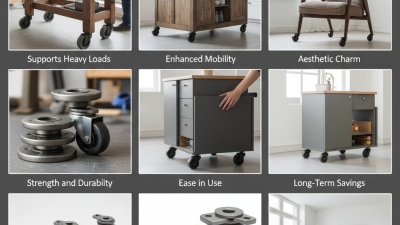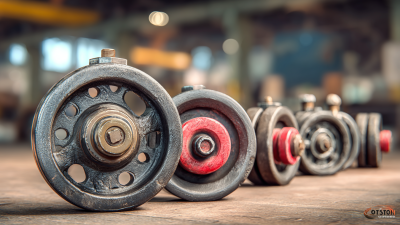
Choosing the best iron castors for your business is crucial for efficiency and safety. According to industry reports, over 70% of warehouse injuries are linked to improper equipment selection. The right castors significantly enhance mobility and reduce these risks.
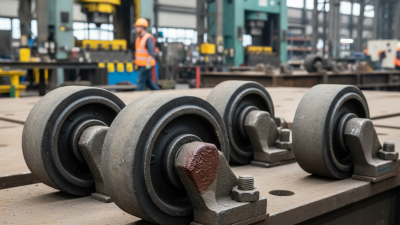
Iron castors are known for their durability and load-bearing capacity. Research shows that high-quality iron castors can support loads ranging from 350 to 1,600 pounds. This strength makes them ideal for heavy-duty applications. However, many businesses overlook specific needs during selection.
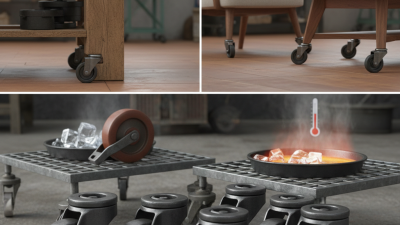
Consider the environment in which the castors will be used. Some settings may require resistant materials or special wheel treads. Ignoring these factors can lead to premature wear and added costs. It's essential to analyze your requirements carefully. Make informed decisions to benefit your operations in the long run.
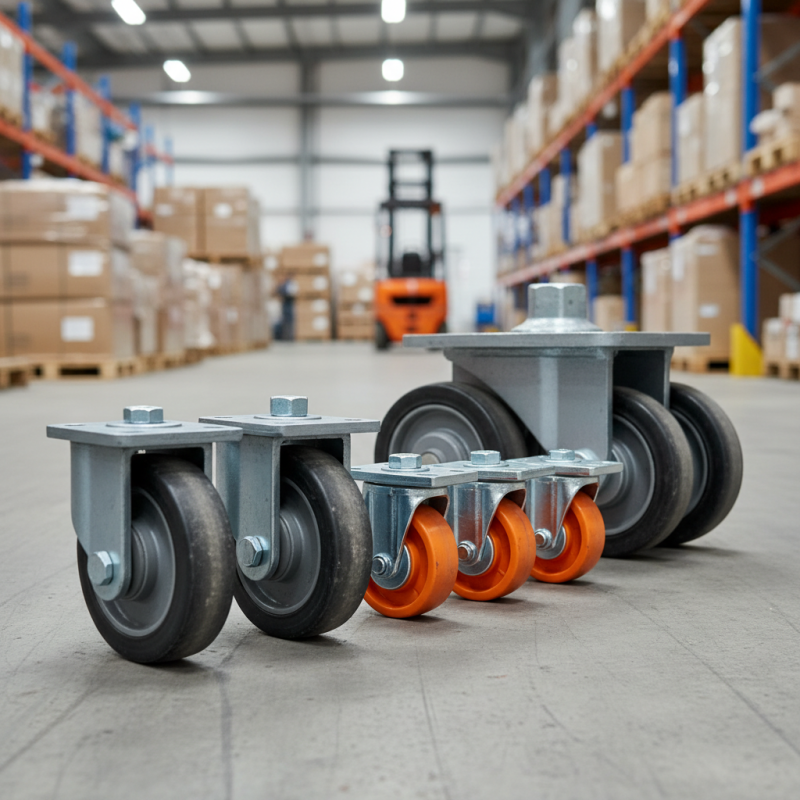
Iron castors play a crucial role in business operations, particularly in logistics and manufacturing. Their durability and load-bearing capacity make them ideal for heavy equipment and furniture movement. According to a report by the International Organization for Standardization, over 70% of businesses rely on high-quality castors to optimize efficiency.
Choosing the right iron castors can significantly impact productivity. Investing in castors with the correct load ratings prevents equipment failure. A misjudgment here can lead to costly downtime. Additionally, iron castors resist wear better than plastic alternatives, essential in environments with heavy use.
**Tips:**
Always assess the weight capacity.
Focus on wheel size for stability.
Consider terrain types where castors will be used.
Understanding the environment is also vital. Rough surfaces demand robust designs, while smoother areas allow flexibility. Some businesses overlook this, leading to quicker wear and reduced efficiency. Regular safety checks can identify early signs of failure, ensuring reliable operations. Balancing quality with cost is an ongoing challenge. Implementing regular reviews helps maintain optimal performance.
| Castor Type | Load Capacity (kg) | Wheel Material | Diameter (mm) | Swivel vs. Fixed | Suitable Surfaces |
|---|---|---|---|---|---|
| Industrial Castor | 300 | Rubber | 150 | Swivel | Concrete, Wood |
| Heavy-Duty Castor | 600 | Polyurethane | 200 | Fixed | Steel, Tile |
| Medical Castor | 150 | Nylon | 100 | Swivel | Laminate, Carpet |
| Furniture Castor | 100 | Plastic | 75 | Swivel | Wood, Tile |
| Transport Castor | 250 | Rubber | 125 | Fixed | Concrete |
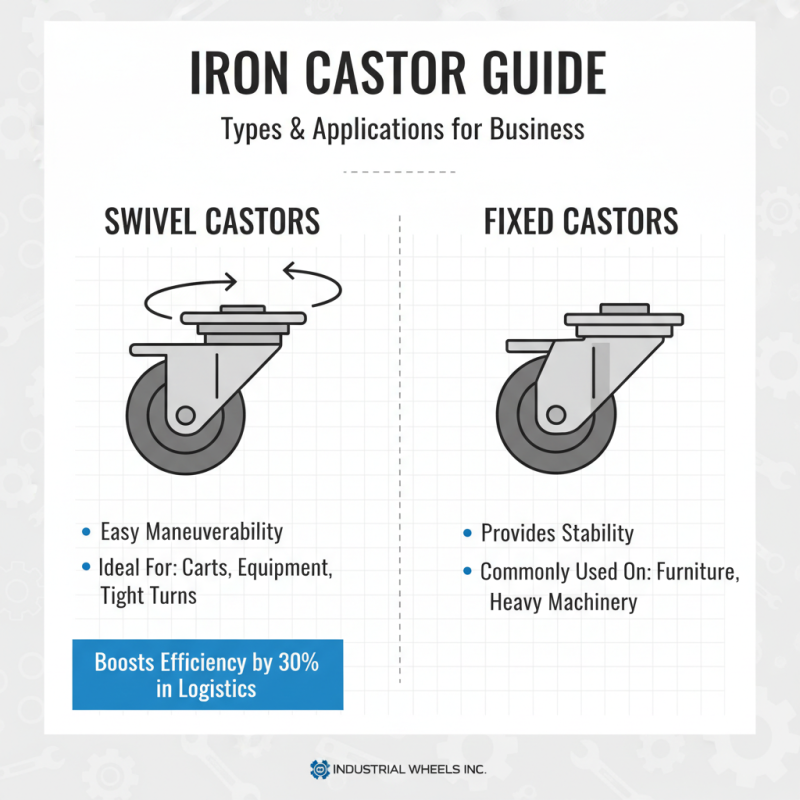
When selecting iron castors, understanding their types and applications is crucial. Iron castors come in various designs, each catering to specific business needs. For instance, swivel castors allow for easy maneuverability. They are ideal for carts and equipment that require tight turns. Fixed castors, on the other hand, provide stability. They are commonly used on furniture or heavy machinery. According to industry reports, swivel castors improve operational efficiency by up to 30% in logistics environments.
Different materials also influence performance. Iron castors often feature different wheel types—solid, pneumatic, or semi-pneumatic. Solid wheels are durable, making them suitable for uneven surfaces. In contrast, pneumatic wheels excel in providing cushioning. This can significantly reduce transmission of shock during transportation. A survey by the National Institute of Standards highlighted that using the correct wheel type can extend a castor's life by 50%.
Selecting the right castor isn't just about functionality; it affects safety and productivity. Businesses must evaluate weight capacity, surface types, and load management. Often, companies underestimate the importance of these factors. A miscalculation can lead to unnecessary breakdowns or increased maintenance costs. Understanding the specific applications of various iron castors allows businesses to make informed decisions, ensuring both efficiency and longevity in their operations.
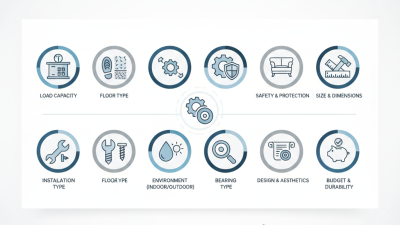
When selecting iron castors for your business, consider several key factors. Weight capacity is crucial. Ensure the castors can support the load without compromising stability. Look for a well-defined weight limit. This limit should match your specific equipment needs to avoid unexpected failures.
The environment where the castors will be used is another important factor. Will they roll over uneven surfaces or smooth floors? This affects the type of wheels you should choose. For outdoor use, resistant materials might be necessary. Corrosion can be a silent enemy, eating away at functionality. Regular inspections can help catch this before it becomes a serious problem.
Lastly, consider the swivel and locking mechanisms. Ease of maneuverability is vital for efficiency. Locking features should operate smoothly to prevent accidental movement. A castor that doesn’t lock properly can lead to dangerous situations. These details are often overlooked but can impact productivity significantly. Investing time to choose the right features pays off in the long run.
When selecting iron castors for your industrial needs, load capacity is a critical factor. Assess the weight of the items they will support. Consider not only the static load but also dynamic loads that occur during movement. A castor rated for a higher load can offer better safety margins. However, overestimating can lead to unnecessary costs.
Durability plays a significant role in the lifespan of castors. Materials and construction methods can impact how they perform under stress. Look for signs of wear and tear in existing castors. Frequent replacements can disrupt operations. Investing in durable options can save time and money in the long run.
Be wary of misleading claims about load capacity and durability. Research and verify specifications before making a choice. Understanding the specific needs of your environment is essential. Reflect on past experiences with castors. Learn from any failures; they can inform future purchases.
Iron castors are vital for various business operations. To maximize their lifespan, proper maintenance is essential. Regularly inspect the castors for signs of wear or damage. Look for cracks, rust, or misalignment. Small issues can quickly escalate if neglected.
Lubrication is another key aspect of maintenance. Apply a suitable lubricant to moving parts periodically. This keeps the castors functioning smoothly. Be mindful of accumulating dirt, which can hinder performance. Cleaning them with a damp cloth can prevent buildup. A clean castor rolls more efficiently.
Pay attention to load limits. Overloading castors can lead to premature failure. Understand the weight capacities and avoid exceeding them. Also, consider the surface conditions where the castors operate. Uneven floors can cause unnecessary strain. Regular assessments help identify potential challenges early. Reflecting on your castor’s performance can guide future improvements.