2026 How to Choose the Best Antique Metal Casters for Your Needs?
Choosing the right antique metal casters can significantly affect your furniture's functionality and aesthetic appeal. According to industry research, the antique furniture market is expected to grow by 5.1% annually. This growth highlights the increased demand for high-quality components, including antique metal casters. These casters not only provide mobility but also enhance the vintage charm of your pieces.
Antique metal casters come in various designs and materials. Understanding the differences is crucial when making your selection. Reports indicate that choosing the wrong type can lead to functionality issues and damage. Many buyers overlook this aspect and later regret their decision. Awareness of the various styles, weights, and durability can save you both time and money.
Trustworthy suppliers often provide detailed descriptions and historical information about their antique metal casters. This background helps you assess quality and authenticity. However, it is essential to verify the reliability of these sources. Misleading information can lead you astray in your quest for the perfect caster. Making informed choices ensures that your investment enhances both the utility and beauty of your antiques.
Understanding the Importance of Antique Metal Casters in Furniture
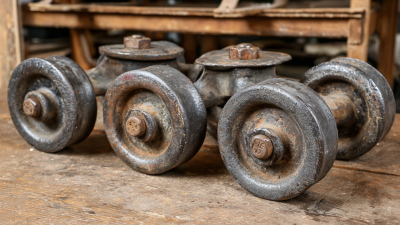
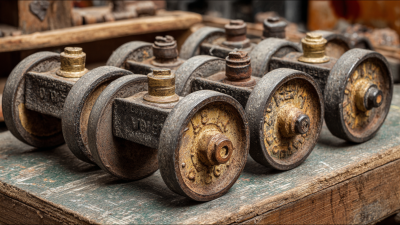
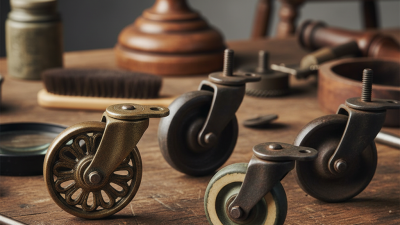
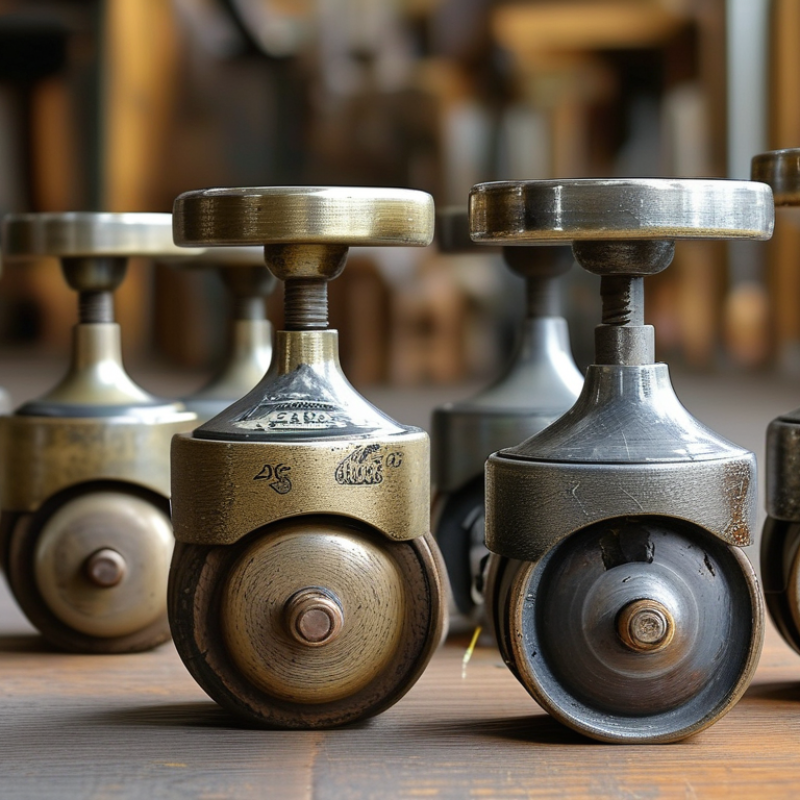
Antique metal casters are more than mere hardware; they enhance both the function and aesthetic of furniture. These charming elements add character to a piece, connecting modern users with history. When you choose antique casters, you embrace craftsmanship that reflects a time when quality was paramount. Each caster tells a story, adding intrigue to your space.
Furthermore, the right casters can improve mobility. Some casters roll smoothly, while others may not. It's essential to assess the weight of your furniture. Heavy items require robust casters for ease of movement. Think of practicality alongside beauty. Finding a balance can be challenging, yet rewarding.
Buying antique casters often involves inspecting their condition. Look for wear marks or rust, which can indicate authenticity. However, don't shy away from pieces with minor flaws. These imperfections can enhance their vintage charm. Each dent and scratch adds to the narrative of your furnishings, making your space uniquely yours.
2026 How to Choose the Best Antique Metal Casters for Your Needs? - Understanding the Importance of Antique Metal Casters in Furniture
| Caster Type |
Material |
Weight Capacity (lbs) |
Swivel Radius (inches) |
Best Use Case |
| Brass Caster |
Solid Brass |
250 |
4 |
Victorian Furniture |
| Iron Caster |
Cast Iron |
300 |
5 |
Industrial Desks |
| Steel Caster |
Steel with Chrome Finish |
400 |
6 |
Modern Furniture |
| Aluminum Caster |
Aluminum Alloy |
200 |
3 |
Lightweight Furniture |
| Copper Caster |
Solid Copper |
150 |
2 |
Decorative Furniture |
Identifying Your Specific Needs for Antique Metal Casters
When selecting antique metal casters, it’s crucial to identify your specific needs. Consider the surface they will traverse. For hardwood floors, softer rubber or cork wheels may be preferable. These wheels will prevent scratches. If the casters are for heavy furniture, look for robust metal options that can withstand weight without bending.
Think about the style of your furniture. Antique metal casters come in various designs, from ornate to minimalist. Choose a style that complements your furniture’s aesthetic. Are you looking for polished brass or a patina finish? This decision will refine the overall look of your piece.
Don’t overlook the height of the casters. This affects the furniture's height and stability. Make sure the casters provide adequate support without compromising balance. Take careful measurements before purchasing. It’s also wise to check the quality. Inspect the welds and joints for signs of wear. This diligence can help avoid future frustrations.
Evaluating Different Styles and Designs of Antique Metal Casters
When selecting antique metal casters, evaluating various styles and designs is crucial. Different casters can transform the aesthetic of your furniture. From intricate designs to simple, sturdy models, the choice is vast.
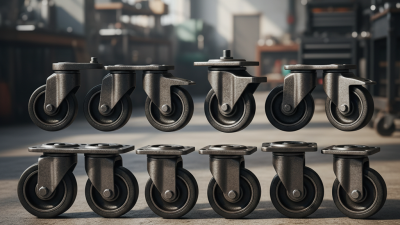
Look for styles that complement your existing décor. Consider Victorian, industrial, or mid-century modern options. Each style brings a unique character to your space.
Functionality is also essential. Some casters are designed for heavy loads, while others work better with lighter furniture. Assess the weight and size of the items you plan to move.
Opt for durable materials that can withstand daily use. Don’t overlook the finish of the metal, either. A patina can add charm but may require maintenance over time.
Reflect on your choices before making a final decision. Sometimes, a caster may look good but might not perform well. Test different styles to see how they interact with your furniture.
Listen to feedback from others who have experienced similar options. This process of evaluation is key in finding the perfect antique metal casters for your needs.
Assessing Material Quality and Durability for Longevity
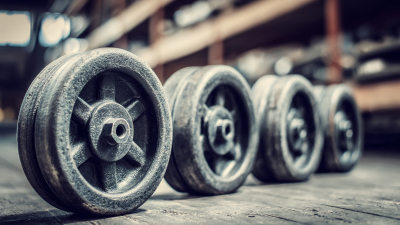
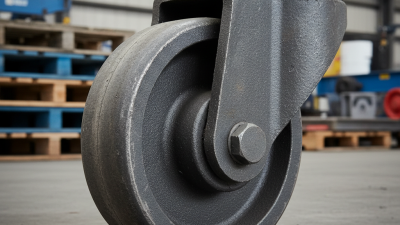
When selecting antique metal casters, the quality of materials is crucial. High-grade metals such as brass or cast iron are often preferred for their durability. According to industry data, casters made from quality metals can last up to 50 years. This longevity makes them ideal for both decorative and functional applications.
However, not all antique casters are created equal. Some might show signs of wear, such as rust or pitting. Inspect for these issues, as they can affect overall performance. Regular maintenance is necessary; applying protective coatings can enhance durability and appearance. Even with the right materials, poor care can lead to early deterioration.
Additionally, consider the weight capacity of metal casters. Heavy-duty options often have reinforced structures. A study showed that casters rated for 500 pounds last longer than lighter alternatives. It’s vital to match the caster’s capacity with your needs. Choosing wisely impacts both functionality and aesthetic appeal in your furniture.
Installation and Maintenance Tips for Antique Metal Casters
When installing antique metal casters, attention to detail is crucial. Proper installation ensures their functionality and longevity. According to a study by the Furniture Manufacturers Association (FMA), over 70% of caster-related issues stem from improper installation. Start by choosing the right mounting type. There are various options, including threaded sockets and top plates. Make sure to match the caster size and weight capacity with your furniture.
Maintenance is equally important. Regularly check for signs of wear and tear. According to industry experts, lubricant should be applied to ensure smooth movement. This simple step can extend the lifespan of your casters. Dust and debris can accumulate, so frequent cleaning is necessary. A soft, damp cloth works wonders.
Consider the surface on which the casters will roll. Some materials are more abrasive than others. This can affect how well the casters perform. The flooring condition can also change how frequently you need to maintain them. If you notice squeaking or dragging, it might indicate an alignment issue. Address these problems early to avoid larger repairs later.