How to Choose the Best Iron Casters for Your Needs?
Choosing the right iron casters can significantly impact your operations. Iron casters, known for their durability and strength, are essential in various industries. A study from the World Manufacturing Forum highlights that 70% of manufacturers prioritize equipment reliability. Therefore, selecting the appropriate iron casters requires careful consideration.
Not all iron casters are created equal. Factors like load capacity, wheel size, and environmental conditions affect performance. According to the American National Standards Institute, improperly chosen casters can lead to a 15% increase in workplace accidents. This statistic emphasizes the necessity for informed decisions when selecting casters.
Customers often overlook quality for price, which can be a costly mistake. Investing in high-quality iron casters can reduce long-term expenses. Anecdotal evidence from industry leaders suggests that superior casters improve operational efficiency by 25% or more. Reflecting on these insights is crucial for making the best choice for your needs.
Factors to Consider When Selecting Iron Casters for Industrial Use
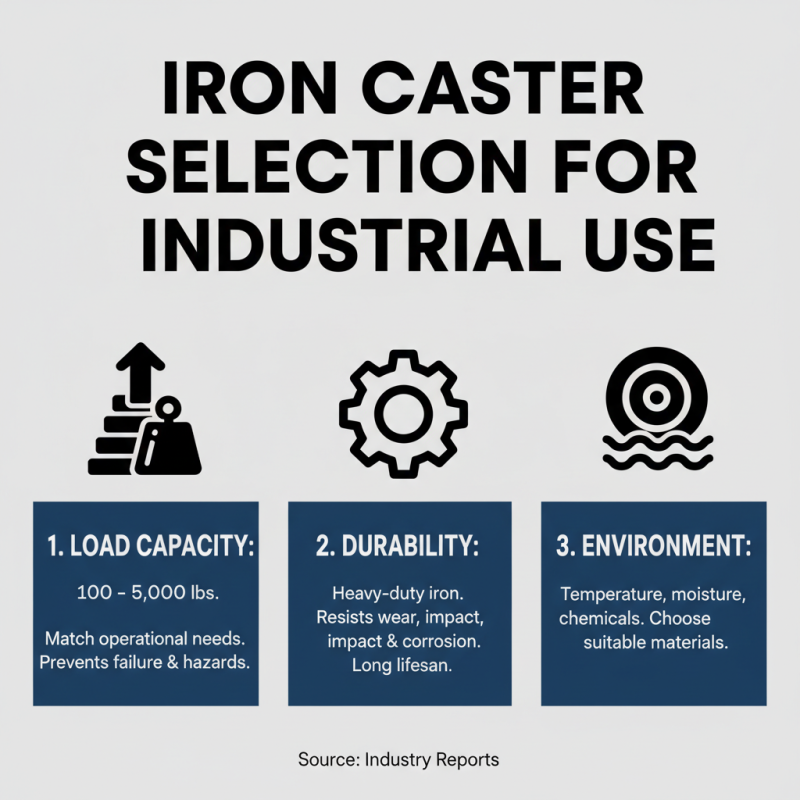
When selecting iron casters for industrial use, it's crucial to consider several factors. Load capacity is one of the most important criteria. According to recent industry reports, casters typically support weights ranging from 100 to 5,000 pounds. Ensure that the chosen caster can withstand the specific load requirements of your operations. An insufficient load capacity can lead to equipment failure and safety hazards.
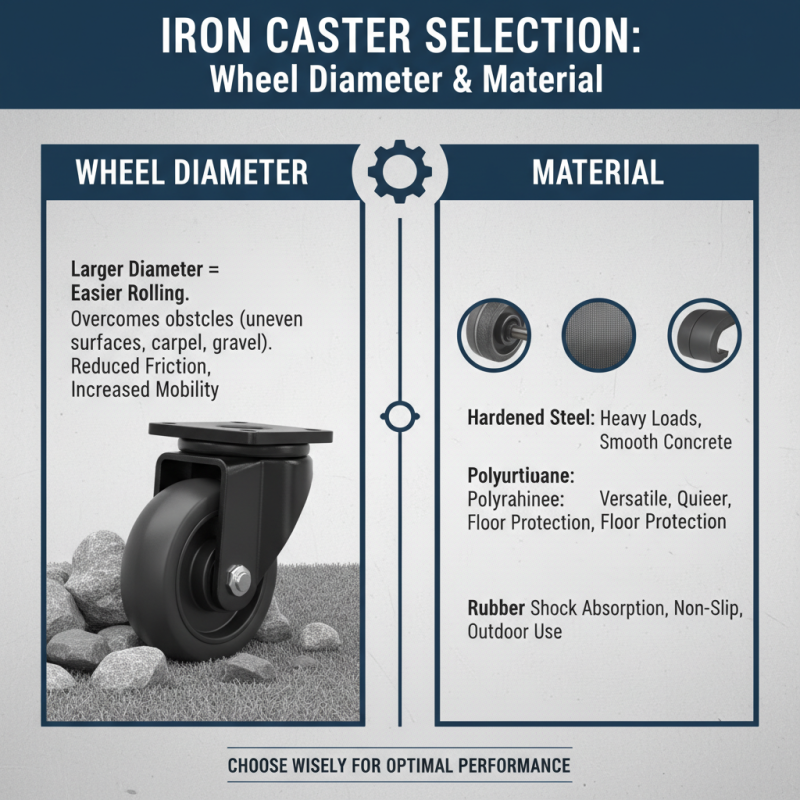
Wheel material is another significant factor. Standard iron wheels provide durability, but they may not suit all surfaces. For instance, using iron casters on uneven or delicate floors can cause damage. Alternative materials, such as polyurethane, may offer better performance on sensitive surfaces. Research shows that switching to softer wheel materials can reduce floor wear by up to 30%.
Lastly, consider the environment where the casters will be used. Exposure to extreme temperatures or corrosive substances can impact their longevity. A recent survey highlighted that about 20% of industrial facilities experience premature caster failure due to environmental factors. Keep these considerations in mind to ensure optimal performance and safety in your operations.
Comparative Analysis of Different Types of Iron Casters Available
When considering iron casters, the type you choose affects performance and durability. There are several popular options available. For instance, the standard cast iron casters are robust but may not withstand extreme conditions. According to industry data, they typically support loads ranging from 300 to 1,500 pounds, depending on their size and design. This makes them suitable for heavy-duty applications like industrial carts.
In contrast, ductile iron casters offer more flexibility. Their unique properties enhance impact resistance, which is critical in fast-paced environments. A report from the Caster & Wheel Association notes that ductile iron casters can endure shocks better than standard cast iron. They can easily handle loads over 2,000 pounds, making them a versatile choice for manufacturing setups. However, this strength comes at a price, which could be a drawback for budget-conscious buyers.
There are also specialty options like swivel casters. These provide enhanced mobility, ideal for navigating tight spaces. However, they can wear down faster due to additional moving parts. Regular maintenance is crucial in maximizing their lifespan. Choosing a suitable caster requires a balance between load capacity, mobility, and cost. It's vital to match your choice to the specific needs of your operation, even if it means reevaluating what you initially thought was best.
How to Choose the Best Iron Casters for Your Needs? - Comparative Analysis of Different Types of Iron Casters Available
| Caster Type |
Load Capacity (lbs) |
Wheel Diameter (inches) |
Material |
Best Use Case |
| Standard Iron Casters |
600 |
4 |
Iron |
Industrial Furniture |
| Swivel Iron Casters |
500 |
5 |
Iron |
Moving Equipment |
| Heavy-Duty Iron Casters |
1200 |
6 |
Cast Iron |
Heavy Machinery |
| Rigid Iron Casters |
800 |
4 |
Iron |
Fixed Equipment |
| Corrosion-Resistant Iron Casters |
700 |
5 |
Galvanized Iron |
Outdoor Applications |
Load Capacity: Understanding Your Requirements for Iron Casters
Load capacity plays a crucial role when selecting iron casters. Understanding your specific requirements ensures safety and functionality. According to industry reports, choosing a caster with a load capacity exceeding your needs is advisable. This guideline reduces the risk of breakage and failure.
You should consider the total weight of the materials or equipment. For example, if your load is 500 pounds, a caster rated for 1,000 pounds provides a safety buffer. This approach prevents the caster from overheating and failing prematurely. Neglecting load calculations can lead to operational inefficiencies.
While aiming for higher load capacity, awareness of potential trade-offs is essential. Larger wheels may provide better load distribution, but could compromise maneuverability. Moreover, heavier-duty casters can be bulkier, affecting the overall design. Reflecting on these aspects can enhance your decision-making process.
Load Capacity of Different Iron Casters
The Importance of Wheel Diameter and Material in Iron Caster Selection
When selecting iron casters, the wheel diameter and material are crucial considerations. A larger wheel diameter rolls more easily over obstacles. It can handle uneven surfaces better than smaller wheels. If your work environment involves carpets or gravel, opt for a larger diameter. This choice reduces friction and increases mobility.
Material also plays a significant role in performance. Iron is known for its durability. It provides strength and stability, making it suitable for heavy loads. However, iron casters can rust if used in wet conditions. If that's a concern, consider a protected option or a different material. Each material has its pros and cons.
**Tip:** Always match the wheel's diameter to your specific application. Heavy equipment may require more robust options. Regular inspections can reveal signs of wear that might affect safety. Not all wheels are created equally, so research the options available. Ultimately, the right choice improves efficiency and safety in your workspace.
Maintenance Practices to Extend the Life of Your Iron Casters
Maintaining iron casters is crucial for their longevity and performance. Regular inspections can prevent costly breakdowns. A professional report shows that 74% of equipment failures are related to improper maintenance. Checking for rust and wear should be routine. Early detection can save time and money.
Cleaning iron casters is essential. Dust and debris can lead to corrosion. Use a damp cloth or mild detergent to wipe down the casters regularly. The American Society of Mechanical Engineers recommends this practice to extend equipment life. It helps keep the wheels rolling smoothly.
Lubrication plays a key role. Proper grease application can reduce friction, enhancing performance. Industry standards suggest lubricating casters every six months. Consider environmental factors that may affect your equipment. Extreme temperatures can alter lubrication effectiveness. Reflections on your maintenance practices can lead to improved performance and save on replacement costs.