
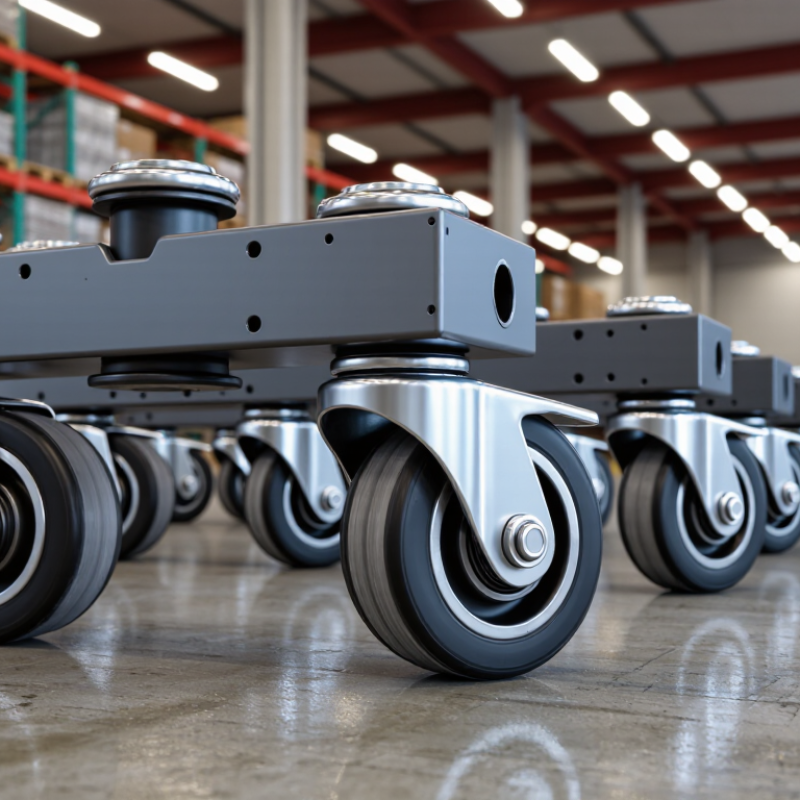
Choosing the right caster swivel wheel begins with the mounting type, not the wheel diameter. The mount must match the equipment frame, load, and working surface.
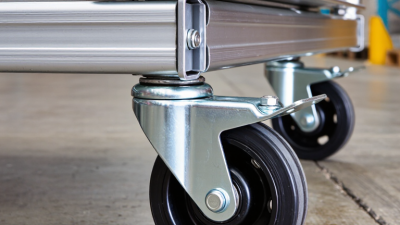
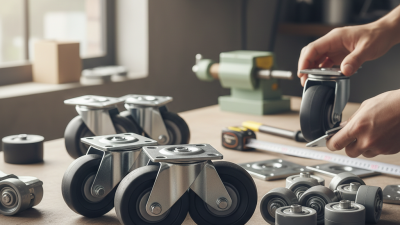
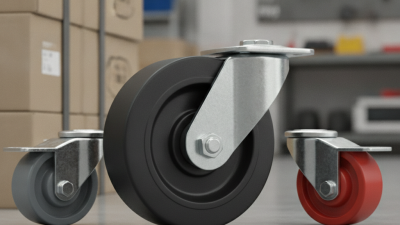
A top plate mount spreads force across a broad area. It suits carts, platforms, cabinets, and heavy equipment with flat frames. A stem mount fits tubular legs and narrow machine bases. Threaded stems offer adjustable fastening, while grip-ring stems allow quicker installation. However, a stem can twist if the socket is weak. Equipment details matter.
Bolt-hole mounts provide a firm connection through a prepared frame. They work well on medical carts, workshop benches, and transport equipment. Use swivel casters where directional changes are frequent.
Add brakes when operators need the equipment to stay fixed during loading. A rigid caster can improve straight-line movement, but mixing rigid and swivel casters needs careful spacing.
In practice, I once selected a stem caster for a cabinet with a thin metal base. The wheel rolled smoothly, but the mount flexed under a full load. The mistake was focusing on mobility before checking frame strength. Now I inspect the mounting surface, fastener access, and center of gravity.
Confirm the rated capacity for each caster, not only the total load. Then test the equipment on the actual floor. Check turning effort, brake access, and vibration. A small mismatch can become a daily maintenance problem.