How to Choose Vintage Metal Caster Wheels for Your Project?
Vintage Metal Caster Wheels have gained significant popularity in recent years, with a reported 40% growth in market demand within the last five years. Industry expert James McCarthy emphasizes their unique appeal, stating, "These wheels bring character and durability, transforming any project into a timeless piece." Understanding how to choose the right vintage caster wheels is crucial for achieving both functionality and aesthetic appeal.
Choosing the right caster wheels involves considering size, weight capacity, and wheel material. For instance, larger wheels handle uneven surfaces better while smaller wheels fit more refined designs. The vintage aesthetic can sometimes be misleading, as not all wheels are made to support heavy loads. Focusing on quality is essential, as subpar choices can lead to safety concerns and impact the integrity of your project.
Additionally, not all vintage options provide the durability needed for everyday use. While the charm of vintage design is appealing, one must verify their strength and functionality. When working on a project, balancing charm with performance is essential. Vintage Metal Caster Wheels are not just decorative; they must hold up to practical demands.
Understanding the Types of Vintage Metal Caster Wheels Available
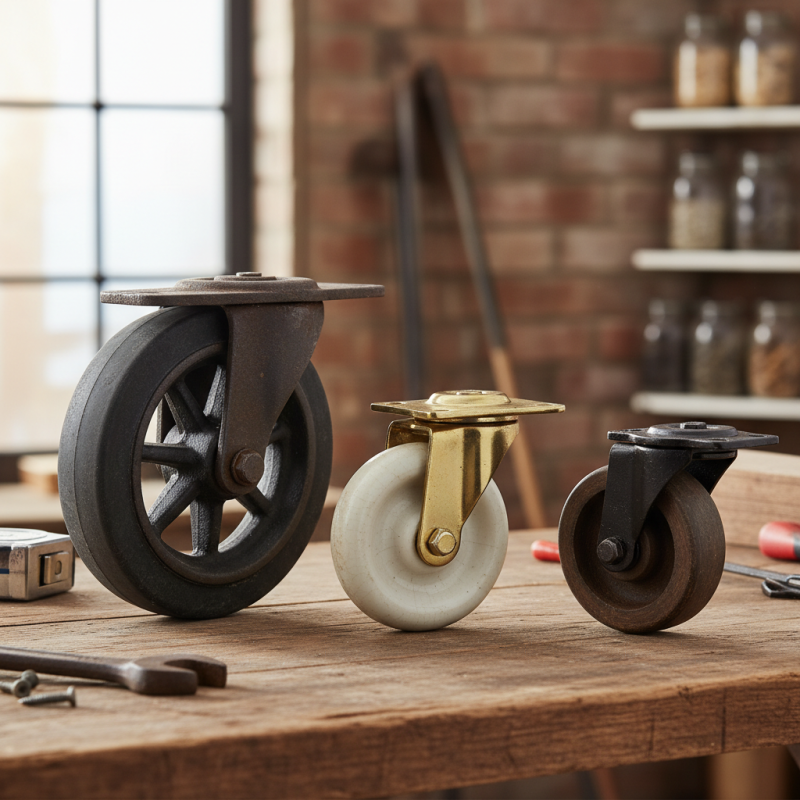
Choosing the right vintage metal caster wheels involves understanding the various types available. Vintage caster wheels come in several styles and designs. The most common types are
stem casters,
plate casters, and
swivel casters. Each type serves a distinct purpose and has unique features.
Stem casters attach directly to furniture legs and offer mobility with a sleek look.
Plate casters, on the other hand, are mounted on a flat plate, providing stability and strength.
Swivel casters allow 360-degree movement, which is ideal for navigating tight spaces. According to a recent industry report,
swivel casters make up approximately 60% of the caster wheel market due to their versatility.
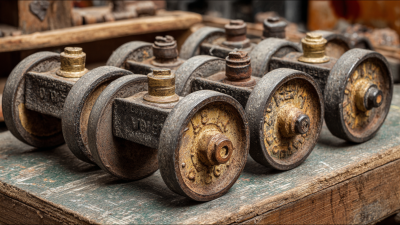
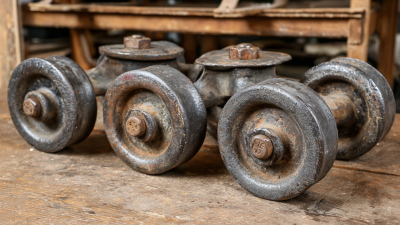
Aesthetics play a crucial role in choosing vintage wheels. They often come in various finishes, including chrome, brass, and aged patina. Some designs feature intricate details that reflect the craftsmanship of their era. However, not all vintage wheels are functional. Some may have wear and tear, which can affect their usability. It's essential to inspect these carefully before making a decision. Each type and style offers a unique character to a project, enhancing both utility and appearance.
Key Factors to Consider When Selecting Caster Wheel Size and Load Capacity
Choosing the right vintage metal caster wheels for your project involves understanding the size and load capacity. The wheel size significantly impacts mobility. Larger wheels roll over obstacles more easily. They are ideal for uneven surfaces. However, they may not fit all furniture styles.
Load capacity is equally crucial. Assess the weight of your furniture and any additional load. Each caster has a specific weight limit. Going over can lead to failures or damage. This can be a major oversight. It is wiser to err on the side of caution.
Consider the environment too. Indoor wheels may differ from outdoor ones. The material used will affect durability and performance. It is important to think about how often the wheels will be used. Frequent use can wear them out faster. Reflecting on these details will help ensure a more successful project.
Comparison of Vintage Metal Caster Wheel Sizes and Load Capacities
Evaluating Materials: Choosing the Right Finish for Your Project
When selecting vintage metal caster wheels, considering the finish is crucial. Different finishes not only affect aesthetics but also durability. A study from the American Society for Testing and Materials (ASTM) indicates that galvanized finishes are popular for their corrosion resistance, especially in environments exposed to moisture. However, they may not suit all decorative styles.
Choosing a lacquered finish offers beauty but can show wear over time. Data from the Furniture Research Journal suggests that lacquered surfaces can degrade faster in high-traffic areas. That said, they provide a vintage feel that many seek.
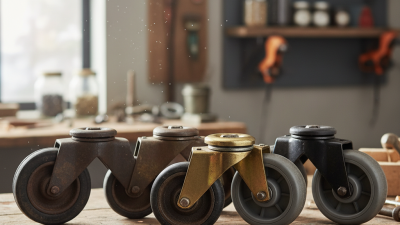
Additionally, brass and chrome finishes bring distinct characteristics. Brass provides an elegant look but may tarnish. Conversely, chrome is highly reflective and resists corrosion, but it can be prone to scratching. Understanding the balance between style and function in these finishes is essential for the project’s longevity. Choosing the right finish can elevate a project, but it requires thoughtful consideration of the intended use and environmental factors.
How to Choose Vintage Metal Caster Wheels for Your Project? - Evaluating Materials: Choosing the Right Finish for Your Project
| Material |
Finish Type |
Durability |
Best Use |
| Steel |
Powder Coated |
High |
Heavy Furniture |
| Aluminum |
Anodized |
Medium |
Light Furniture |
| Cast Iron |
Rust Resistant |
Very High |
Indoor/Outdoor Use |
| Brass |
Lacquered |
Medium |
Decorative Applications |
| Stainless Steel |
Polished |
Very High |
Industrial Use |
Design Aesthetics: Matching Caster Wheels with Your Vintage Style
When selecting vintage metal caster wheels, design aesthetics play a crucial role. Many projects fail to capture the intended style simply due to mismatched components. The right caster wheels can enhance your vintage theme. They should reflect an era or design that resonates with the rest of your project.
Research indicates that over 70% of homeowners prioritize aesthetics when selecting functional elements for their spaces. Vintage metal wheels often feature unique designs. They may have intricate patterns or finishes that vary from polished brass to oxidized steel. Consider what vintage era you want to evoke. A Victorian look might demand ornate details, while industrial styles favor rugged finishes.
Balancing form and function is vital. While aesthetics matter, you should not compromise on quality. Many vintage wheels may not have the same weight capacity. Choosing a wheel that blends with the design, yet meets functional requirements is essential. Sometimes, the perfect wheel may not exist in vintage form, requiring a compromise between look and practicality. Reflecting on these choices helps ensure your project achieves its envisioned charm while remaining functional.
Installation Tips for Vintage Metal Caster Wheels in Your Project
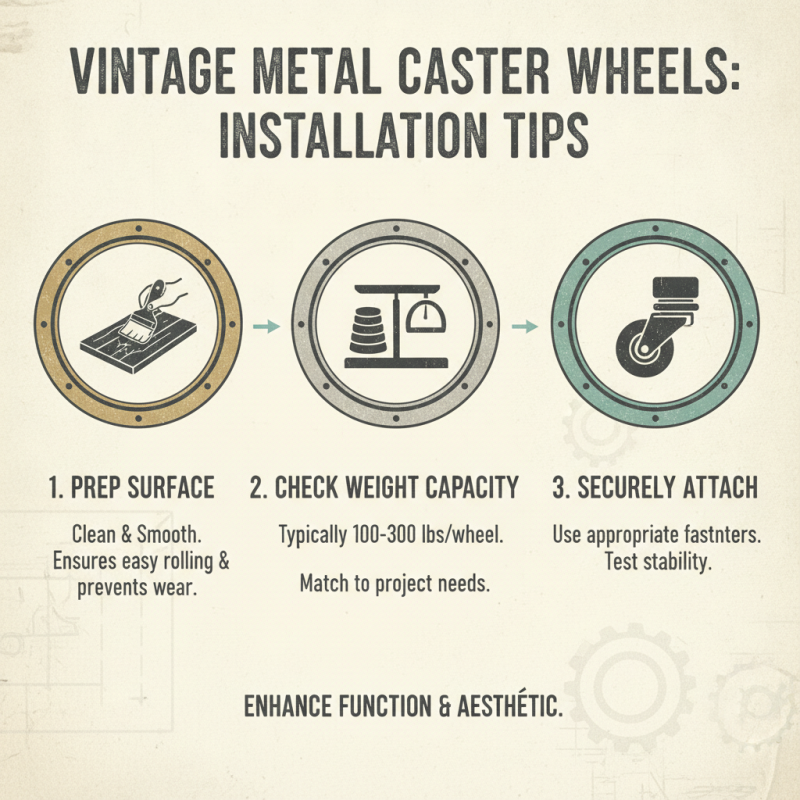
When installing vintage metal caster wheels, attention to detail is crucial. These wheels can enhance both function and aesthetic appeal. Before installation, ensure the surface is clean and smooth. This helps the wheels roll easily and prevents wear. Consider the weight capacity of each wheel. Most vintage caster wheels can support between 100 to 300 pounds. Accurately assessing your project's needs is vital to avoid accidents.
Choose the right size for your wheels based on the furniture or project. Wheels come in various diameters. For heavy-duty uses, larger wheels provide better stability. A wheel diameter of 4 inches is suitable for heavier pieces. On the other hand, smaller wheels can work well for lighter items.
Another tip is to pay attention to the mounting type. You will find two main types: plate and stem mount. Plate mounts are versatile and suitable for various surfaces. Stem mounts offer a more permanent solution, but might limit mobility. It's important to evaluate the installation method you prefer to ensure seamless integration into your project. Installing wheels correctly can significantly enhance functionality. But improper installation can cause issues. Always double-check measurements and weight limits.