10 Essential Tips for Choosing the Right Swivel Plate Caster for Your Needs
Choosing the right swivel plate caster can significantly impact your efficiency and productivity. These essential tools are vital in many industries, from manufacturing to retail. However, selecting the perfect caster can be challenging. With so many options available, it’s easy to feel overwhelmed.
Consider your specific needs carefully. The right caster must align with your equipment and workspace. Factors like weight capacity and wheel material matter greatly. For example, heavy loads require durable designs. In contrast, lighter setups may benefit from more maneuverable options.
It’s essential to evaluate your choices. Look at the certifications, like ISO or CE, for assurance. Quality can vary widely among brands. A well-chosen swivel plate caster can enhance mobility and flexibility, boosting your overall operations. However, neglecting these details may lead to poor performance or safety issues. Remember, the perfect solution is about balancing performance and practicality.
Understanding Swivel Plate Casters: Types and Their Uses
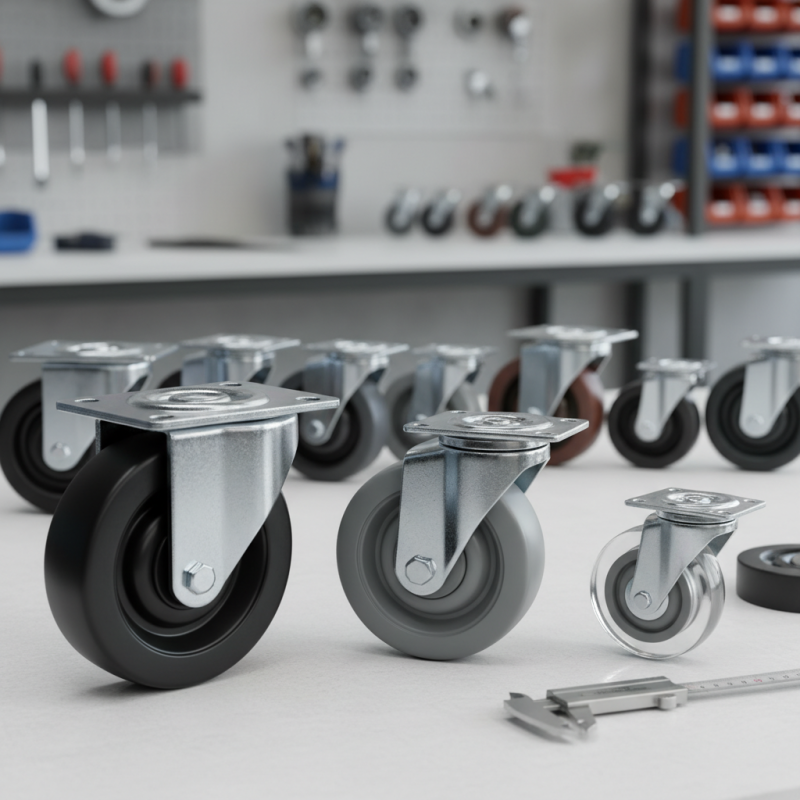
Swivel plate casters are essential in many settings. They allow for easy maneuverability. Understanding their types helps in making the right choice. There are several types available, each designed for specific tasks. For example, a light-duty caster works well on smooth surfaces, while heavy-duty ones are better for rough or uneven floors.
When selecting casters, consider the material. Hard materials work best on carpet, but soft ones reduce noise on hard floors. You should also look at the wheel size. Larger wheels glide better over obstacles. However, they may not fit under all furniture designs. The load capacity is vital too. Overloading can cause issues.
Don't overlook the swivel mechanism. Some casters turn 360 degrees. Others provide limited rotation. This choice affects maneuverability. Reflect on what will work best for your needs. Look beyond aesthetics; performance matters most. A poor choice can lead to frustration and inefficiency. Make informed decisions based on your unique requirements.
Swivel Plate Caster Load Capacity Comparison
This chart illustrates the load capacity of various types of swivel plate casters, ranging from light duty to extra heavy duty. It highlights the weight limits that these casters can support, helping you make an informed decision based on your specific needs.
Key Factors to Consider When Selecting Swivel Plate Casters
Choosing the right swivel plate caster is crucial for efficiency and safety. Several key factors should guide your selection. Load capacity is one of the top considerations. For instance, most swivel casters can handle between 100 to 2,000 pounds. Understanding your specific load requirements prevents underperformance or accidents.
Another important factor is wheel material. Options include rubber, polyurethane, and metal. Each has unique benefits. Rubber wheels provide silence and ease of movement, while metal wheels are durable. Choosing the wrong material can lead to premature wear. Most reports suggest that around 30% of caster-related issues stem from improper material selection.
Tip: Always assess the environment where the caster will be used. Will it roll over carpets, or is it for outdoor use? This choice directly impacts your performance.
Lastly, consider the swivel radius. A wider swivel gives more maneuverability but can create instability. Balancing ease of movement with safety is crucial. Remember, every choice affects your operations. Reflect on the long-term implications of your decisions.
Assessing Weight Capacity and Load Requirements for Casters
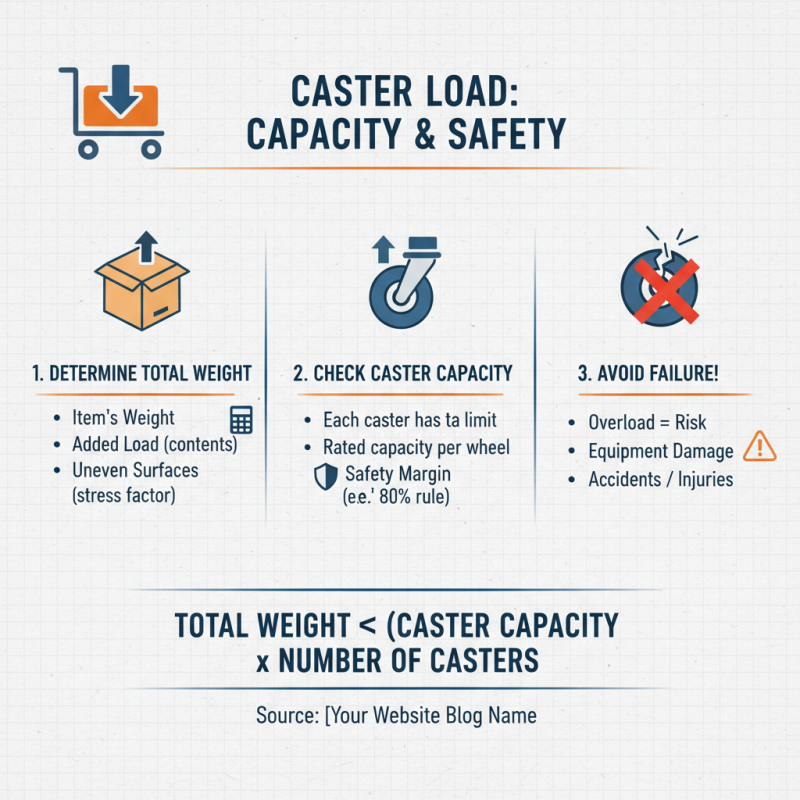
When selecting swivel plate casters, understanding weight capacity is crucial. Each caster is designed to support a specific load. If the weight exceeds this limit, the caster may fail. This can lead to accidents, damaged equipment, or injuries. Assessing the total weight you plan to move is a good starting point. Include not just the item’s weight but also any additional factors like uneven surfaces that may add stress.
Consider the load distribution as well. It is not enough to look at weight alone. A caster that is not rated for the type of load it will carry can result in problems. For example, dynamic loads may require stronger casters compared to static ones. Sometimes, people underestimate the weight, leading to costly mistakes. Regularly revising your requirements will help avoid such issues. Test using different weights before committing to a purchase. This practical approach can save time and money in the long run.
Material Selection: Rubber, Plastic, Metal, and Their Benefits
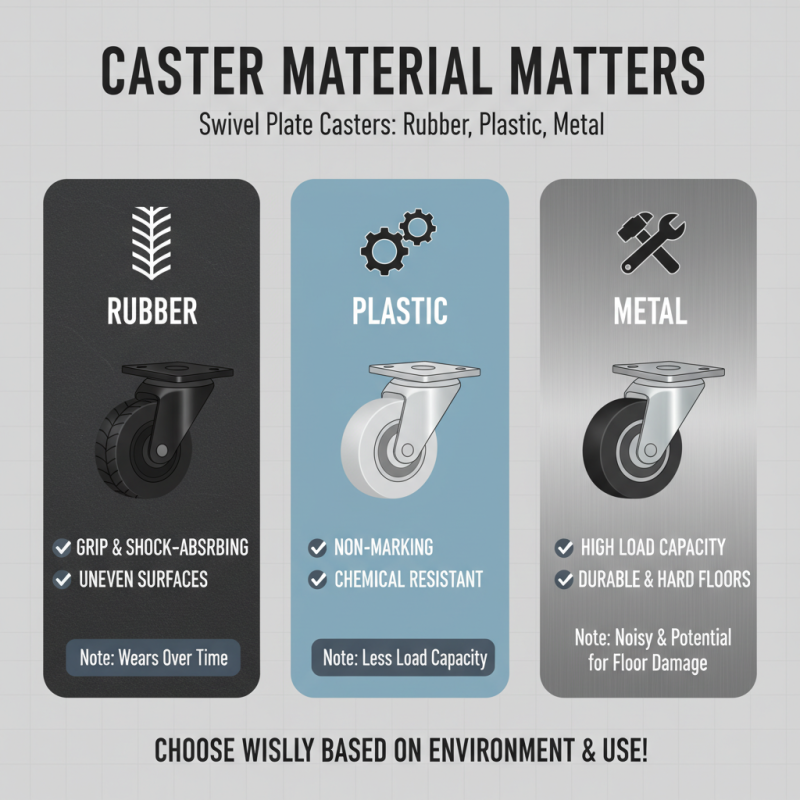
When it comes to swivel plate casters, the choice of material is crucial. Rubber, plastic, and metal each offer distinct benefits. Rubber casters are known for their grip and shock-absorbing qualities. They work well on uneven surfaces, but can wear down over time. Consider your environment. If you're moving items over a bumpy floor, rubber may be your best bet.
Plastic is lightweight and resistant to corrosion. It’s often a cost-effective solution for light-duty tasks. However, plastic may not handle heavy weights well. It’s also less durable than rubber or metal options. If you expect your casters to endure heavy use, think twice about choosing plastic.
Metal casters are the strongest option available. They can support heavy loads and withstand harsh conditions. Nonetheless, they can cause damage to floors. Ensure your flooring can handle metal wheels. This choice often requires a balance between durability and potential damage. Each material has its pros and cons. Make your selection based on how, where, and what you will be moving.
Choosing the Right Wheel Size for Stability and Maneuverability
Choosing the right wheel size for swivel plate casters can significantly impact stability and maneuverability. Many experts suggest that larger wheels generally provide better stability. A study from the Caster and Wheel Association reports that wheels with a diameter of 5 inches or more can support heavier loads while maintaining balance. However, larger wheels may compromise tight maneuverability in narrow spaces.
Smaller wheels, typically 3 inches or less, excel in precision and quick direction changes. They can pivot easily in confined areas. Yet, their ability to handle heavy loads is limited. The same industry report indicates that casters with wheels under this size tend to wear faster. It’s essential to consider your specific environment before making a decision.
Weight distribution is another crucial factor. For instance, casters supporting a weight over 150 pounds can benefit from 4-inch wheels, offering an optimal mix of strength and movement. Still, one should be cautious. Overloading smaller wheels leads to faster degradation, while oversized casters may cause unnecessary friction on certain flooring types. Balancing these aspects is vital for making an informed choice.