Heavy Caster Wheels Buying Guide for Global Suppliers?
When selecting Heavy Caster Wheels, various factors come into play. These wheels are essential in numerous industries, from manufacturing to logistics. Their quality and durability significantly impact efficiency and safety. Global suppliers must understand what makes these wheels essential to their applications.
Heavy Caster Wheels are not just about weight-bearing capacity. The material, design, and bearings also matter. For example, polyurethane wheels resist wear and provide smoother movement. Likewise, choosing the right tread design can enhance mobility. Suppliers should evaluate these details against their specific needs.
However, navigating the market can be challenging. Brands vary widely in reputation and performance. Suppliers must undertake thorough research to identify reliable options. Ensure you question manufacturers about their testing and quality control processes. Exploring customer reviews can help, but understanding context is crucial too. The journey to finding the perfect Heavy Caster Wheels may involve some trial and error, but informed choices lead to long-term success.
Understanding Heavy Caster Wheels: Key Features and Benefits
Heavy caster wheels are essential for heavy-duty applications. They offer unique advantages for global suppliers. Understanding their key features helps in making informed choices.
One significant feature is load capacity. Heavy caster wheels can support hefty weight. This is crucial in industrial settings. For instance, a standard wheel may handle 300 pounds, while specialized models can handle over 3,000 pounds. This versatility is vital for varied tasks.
Tips: When selecting heavy caster wheels, consider the wheel material. Rubber wheels provide quiet movement on hard floors. However, they may wear out faster under constant heavy loads. Polyurethane wheels balance durability and grip. Testing the wheels in actual conditions helps in understanding their performance.
Another feature to explore is wheel size. Larger wheels roll easily over obstacles. This can reduce strain on equipment and workers. However, larger wheels may require more space. Check your environment to avoid interference.
Tips: Pay attention to swivel versus rigid wheels. Swivel wheels offer better maneuverability but can be harder to control under heavy loads. Rigid wheels provide stability but limit movement direction. Evaluate your needs carefully to find a suitable balance.
This chart illustrates the key features of heavy caster wheels and their importance ratings. Each feature is rated on a scale from 1 to 10, highlighting their significance for suppliers when selecting heavy caster wheels.
Types of Heavy Caster Wheels: A Comprehensive Overview
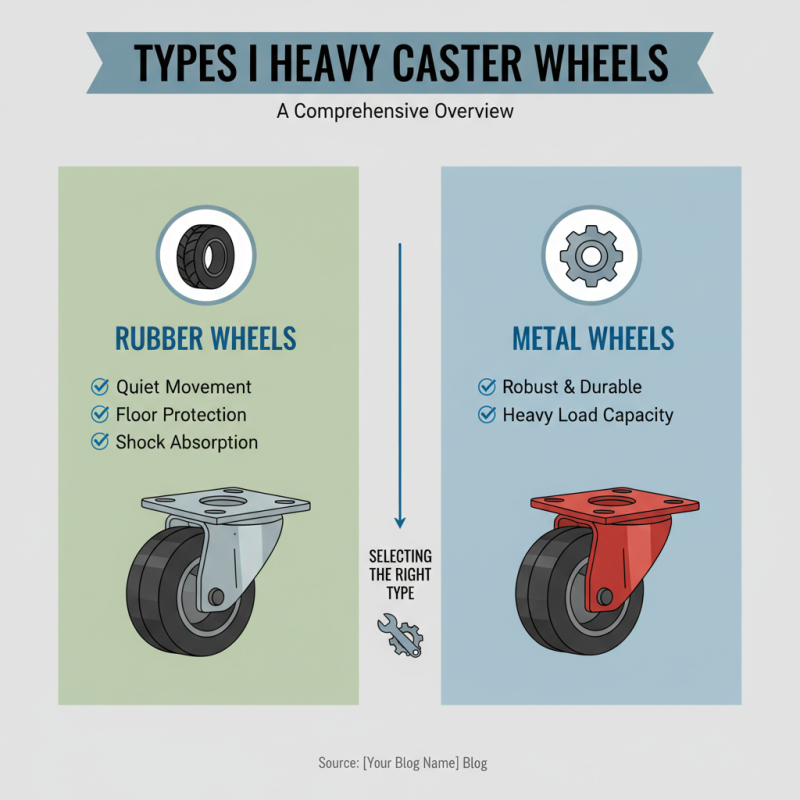
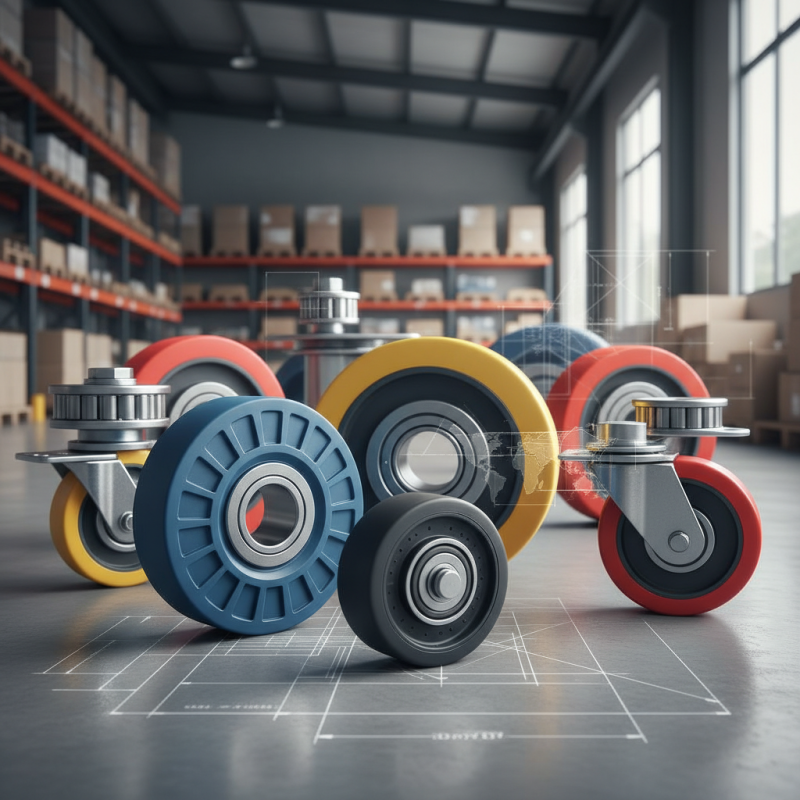
When selecting heavy caster wheels, understanding the types available is essential. Heavy-duty casters come in various designs, each serving specific needs. For instance, rubber wheels are ideal for quiet movement and protecting floors. They absorb shock well, making them suitable for sensitive environments. Metal wheels, on the other hand, are robust and last longer under heavy loads.
Another type worth considering is polyurethane wheels. These blend durability with smooth operation. They handle outside conditions very well. However, they may lose traction on certain surfaces. Consider the environment where the casters will be used. Choices should align with the demands of your workspace.
Lastly, inspect the wheel's swivel and rigidity. Swivel wheels enable easy maneuvering but may not be ideal for heavy loads. Rigid wheels provide stability but require more effort to change direction. Understanding these differences is crucial for making informed decisions. The right choice can improve operational efficiency. However, overlooking specific needs can lead to performance issues. Be sure to assess all factors before making your purchase.
Factors to Consider When Purchasing Heavy Caster Wheels
When purchasing heavy caster wheels, several factors are essential to consider. The wheel material plays a crucial role in determining performance. Common materials include rubber, polyurethane, and metal. Rubber wheels provide a quiet operation but may not support heavy loads as well as metal options. Polyurethane wheels offer a good balance, often suitable for both indoor and outdoor applications.
Load capacity is another vital aspect. Knowing the weight that each wheel can handle prevents accidents. Overloading can lead to wheel failure, which might cause injuries or property damage. It's best to calculate total load requirements before making a purchase. Consider the wheel diameter too; larger wheels roll easier over rough surfaces.
Lastly, think about the surface where the wheels will be used. Hard surfaces may require different wheels compared to soft or uneven terrain. Design and swivel capabilities also matter. Some applications need fixed wheels for straight-line movement, while others benefit from swivel wheels for better maneuverability. It's important to assess all these elements carefully. Consider your unique needs and ensure each choice aligns with them.
Trusted Brands and Suppliers for Heavy Caster Wheels
Choosing reliable heavy caster wheels is vital for efficient operations. Trusted brands ensure durability and performance. According to industry reports, the global heavy caster wheels market is projected to grow significantly, reaching an estimated $1.2 billion by 2025. This growth reflects increased demand across various industries, including manufacturing and logistics.
When evaluating suppliers, consider their reputation and product offerings. Look for suppliers with years of experience and a solid track record. Research indicates that companies with established brands often invest in innovation and quality testing. They implement strict quality control measures. This is crucial for heavy-duty applications where reliability comes first.
Additionally, expect to see a range of materials used, such as steel and polyurethane. Each material serves different needs. Steel may provide strength, while polyurethane offers better floor protection. Note that some suppliers might overstate their capabilities. Always verify their claims through third-party certifications or laboratory tests. Trust but verify is essential in this industry to ensure you're making informed decisions.
Heavy Caster Wheels Buying Guide for Global Suppliers
| Wheel Type |
Load Capacity (lbs) |
Wheel Diameter (inches) |
Material |
Surface Type |
Brake Type |
| Rubber |
800 |
5 |
Rubber |
Smooth |
Total Lock |
| Polyurethane |
1000 |
6 |
Polyurethane |
Rough |
Side Lock |
| Steel |
1500 |
8 |
Steel |
Smooth |
None |
| Nylon |
1200 |
5 |
Nylon |
Rough |
Total Lock |
| Cast Iron |
1600 |
10 |
Cast Iron |
Smooth |
Side Lock |
Maintenance Tips for Longevity of Heavy Caster Wheels
Heavy caster wheels are essential for various industrial applications. Regular maintenance ensures their longevity. One common issue is wear from heavy loads. Checking the wheels for cracks or chips should be routine. Small damages can worsen over time, leading to more significant problems.
Lubrication plays a crucial role in keeping wheels functional. Using appropriate grease reduces friction and wear. It's vital to clean the wheels before applying new lubricant. Dust and debris can trap dirt. This may cause premature wear. Additionally, consider the environment where the wheels operate. Exposure to corrosive materials can shorten their lifespan.
Regularly inspect the wheel assemblies. Tightening loose bolts can prevent accidents. If the caster wobbles, it needs immediate attention. Sometimes, replacement is necessary. However, proactive measures can often extend their life significantly. It's critical to address minor issues before they escalate into major problems.