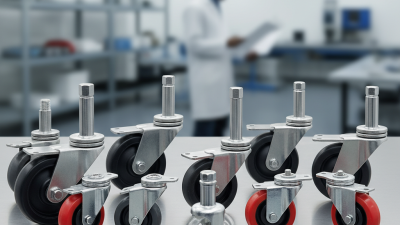
2026 How to Choose the Best Stem Swivel Casters?
When selecting the right Stem Swivel Casters, it’s essential to navigate the myriad options available. According to Dr. Alex Lawson, a leading expert in industrial mobility solutions, “Choosing the right caster requires understanding both function and environment.” This insight emphasizes the significance of matching the caster to specific needs.
Stem Swivel Casters play a crucial role in various applications, from healthcare equipment to manufacturing carts. Their design allows for easy movement and maneuverability. However, not all casters are created equal. Users often overlook factors such as load capacity, wheel material, and swivel action. These aspects directly impact performance and safety.
Many users experience challenges with mobility due to improper caster choices. This can lead to inefficiencies and even accidents. Understanding the nuances of Stem Swivel Casters is vital. It ensures that your selection enhances productivity. As the industry continues to evolve, staying informed will help in making better decisions.
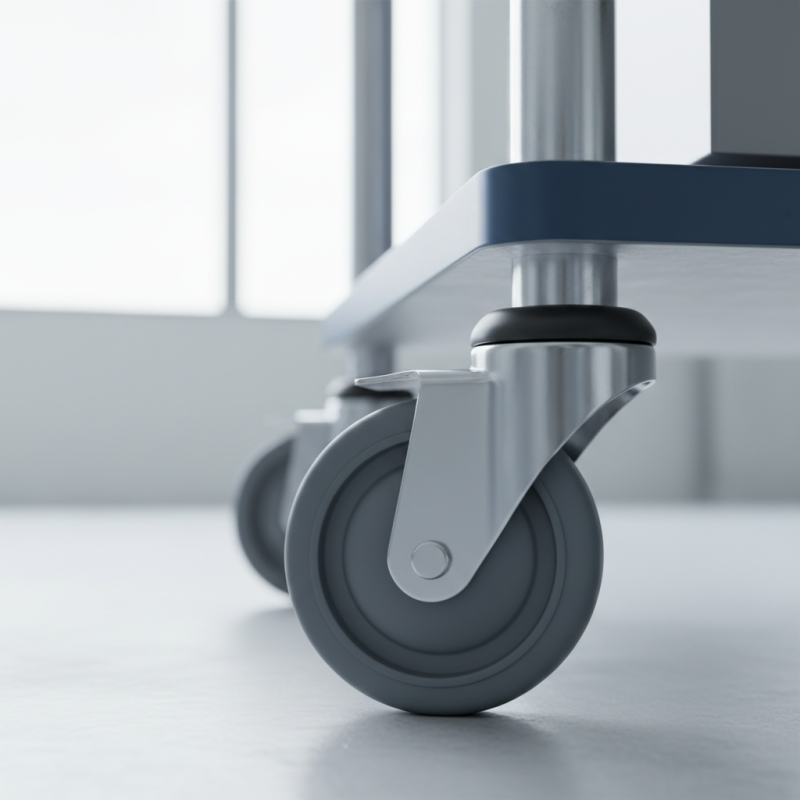
Understanding Stem Swivel Casters: Types and Features
When choosing stem swivel casters, it's essential to understand their different types and features. Stem swivel casters can vary significantly in design, load capacity, and wheel materials. Some are designed for smooth floors, while others excel on uneven surfaces. Each type offers unique advantages that cater to various applications. Knowing these details helps you make an informed choice.
Tips: Consider the load capacity required for your specific task. If the load is heavy, choose casters that can withstand more weight. Pay attention to the wheel material as well. Rubber wheels provide better grip on smooth surfaces, while hard plastic wheels are ideal for rough terrains.
Another crucial aspect is the stem size and type. Make sure it fits the equipment you plan to use it with. An improper fit can lead to instability and safety hazards. If unsure, consult with industry experts or conduct a trial before making a large purchase. Testing different options can reveal what works best in real-world conditions, leading to a more satisfactory outcome.
Factors to Consider When Selecting Stem Swivel Casters
When choosing stem swivel casters, it's essential to consider various factors. Understanding the load capacity is crucial. According to industry reports, the average load capacity for standard casters is around 100 to 500 pounds. Ensure your selected casters can support the weight of your equipment. Overloading can lead to premature wear or failure.
Wheel material is another key factor. Hard rubber wheels work well on smooth surfaces, while soft polyurethane wheels are better for uneven terrain. The right material impacts stability and mobility. A recent survey indicated that nearly 70% of users prefer polyurethane for its durability and quiet operation.
Finally, consider swivel radius. A tighter swivel allows for greater maneuverability in confined spaces. However, a wider swivel can provide better stability. Many users overlook this aspect, leading to difficulties in navigation. Evaluate your environment and intended use to make an informed decision. Prioritize these factors to ensure optimal performance and reliability.
2026 How to Choose the Best Stem Swivel Casters? - Factors to Consider When Selecting Stem Swivel Casters
| Factor |
Description |
Importance Level |
Recommended Rating |
| Weight Capacity |
The maximum weight the caster can support. |
High |
100-1000 lbs |
| Wheel Material |
Material used for the wheel, affecting durability and floor protection. |
Medium |
Polyurethane, Rubber |
| Wheel Size |
Diameter of the wheel, influencing maneuverability. |
High |
3-8 inches |
| Swivel Mechanism |
Type of swivel mechanism affecting ease of movement. |
High |
Ball Bearing, Raceways |
| Stem Length |
Length of the stem impacting attachment to furniture. |
Medium |
2-6 inches |
| Price Range |
Cost of the caster which can impact decision. |
Medium |
$5 - $50 |
Evaluating Weight Capacity and Material Durability
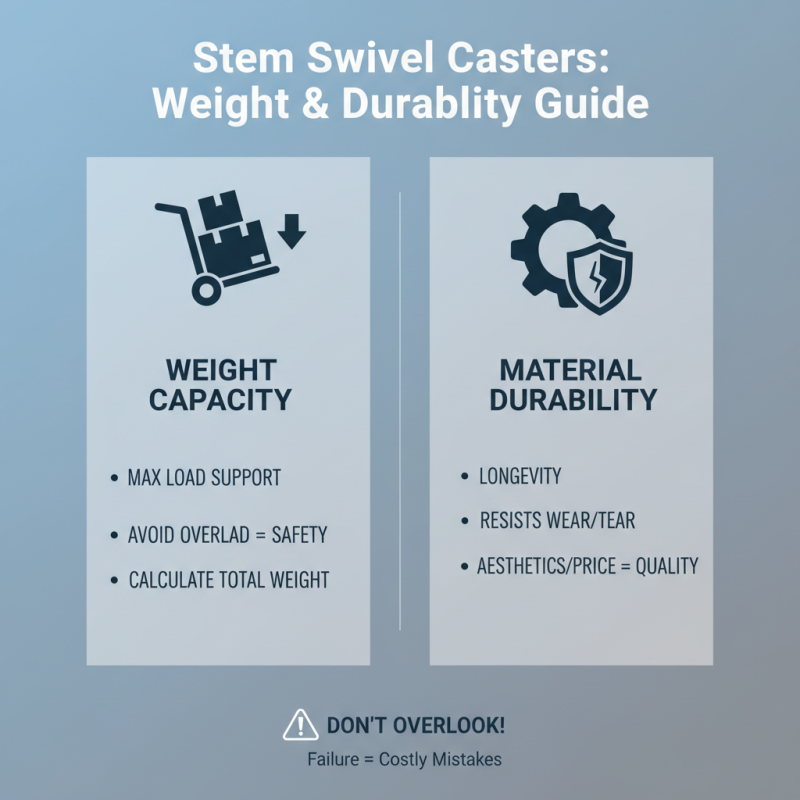
When choosing stem swivel casters, understanding weight capacity and material durability is crucial. The weight capacity determines how much load the casters can safely support. Overloading a caster can lead to failure and unsafe conditions. It's essential to consider the total weight of the equipment or furniture they will support. However, many overlook this aspect, choosing casters based solely on aesthetics or price, which can result in costly mistakes.
Material durability plays another key role. Casters made from high-quality materials are less likely to wear out quickly. Common materials include rubber, nylon, and metal. Each has its pros and cons. Rubber casters offer quiet movement but can wear down over time. Nylon casters are durable, yet may crack under severe loads. Users often ignore the environment in which casters will operate, thinking all materials are equal. It's important to reflect on these factors.
A caster's design impacts functionality too. Swivels should turn smoothly to enhance maneuverability. However, not every design works for every situation. Some may find certain designs difficult to control, especially in tight spaces. This aspect often gets hashed over in theory but poses real challenges in practice. Each caster choice should consider the specific needs at hand for an optimized experience.
Assessing Wheel Size and Tread for Optimal Performance
When selecting stem swivel casters, wheel size and tread play crucial roles in determining performance. Larger wheels can roll over obstacles more easily. They provide a smoother ride on uneven surfaces. However, excessive size can hinder maneuverability in tight spaces. Striking a balance between size and functionality is essential. Testing various sizes in real-world settings can lead to better insights.
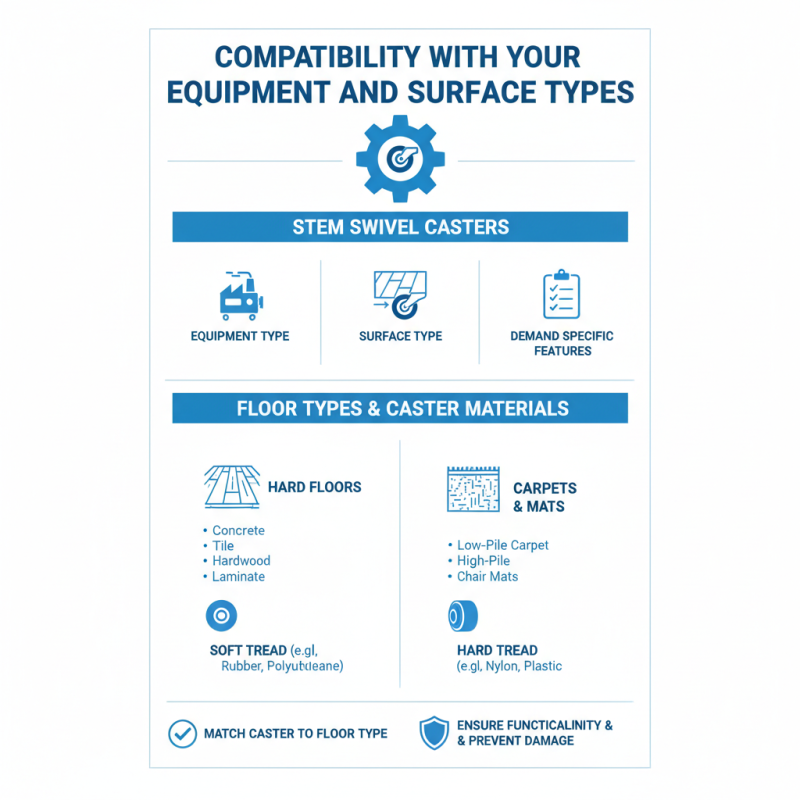
Tread patterns significantly impact grip and stability. A softer tread offers more traction but wears out faster. Conversely, a harder tread lasts longer but may slip on smooth surfaces. Choosing the right tread requires careful consideration of the environment. For instance, a workshop floor may benefit from a different tread than a carpeted office space. Observing how different treads perform over time is beneficial.
Don’t forget to assess weight capacity. The caster must support the load efficiently. A caster that is too weak may fail, leading to accidents. Testing with different weights during selection can highlight potential issues. Investigating specific use cases will enhance overall caster performance. Reflecting on these factors can lead to wiser choices in the long term.
2026 How to Choose the Best Stem Swivel Casters?
This chart represents the load capacity of different sizes of stem swivel casters. When selecting casters, it's important to consider both the wheel size and its associated load capacity to ensure optimal performance for your specific needs.