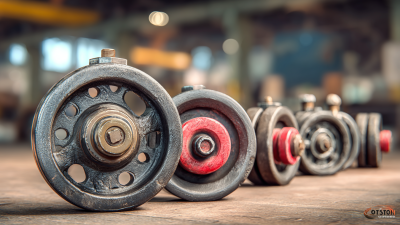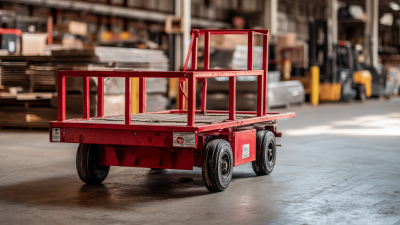
Iron casters play a crucial role in various industrial settings. They serve as the foundation for transporting heavy materials and equipment, ensuring operational efficiency. These components are often overlooked, yet their importance cannot be overstated.
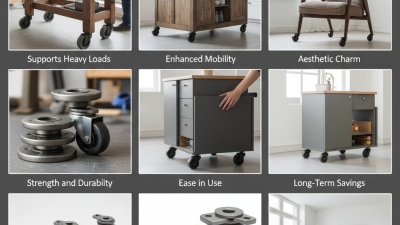
In factories and warehouses, iron casters bear significant loads. They provide stability and ease of movement. Without them, processes would slow down. However, not all iron casters are created equal. Factors like material quality and design affect their performance. Businesses must invest in reliable options.
A failure in caster functionality can lead to setbacks. Damaged or unsuitable casters may disrupt workflow. This reality underlines the need for proper selection and maintenance. Understanding iron casters’ specifications is essential for longevity. In conclusion, while they might seem minor, iron casters are indispensable in the industrial sector.
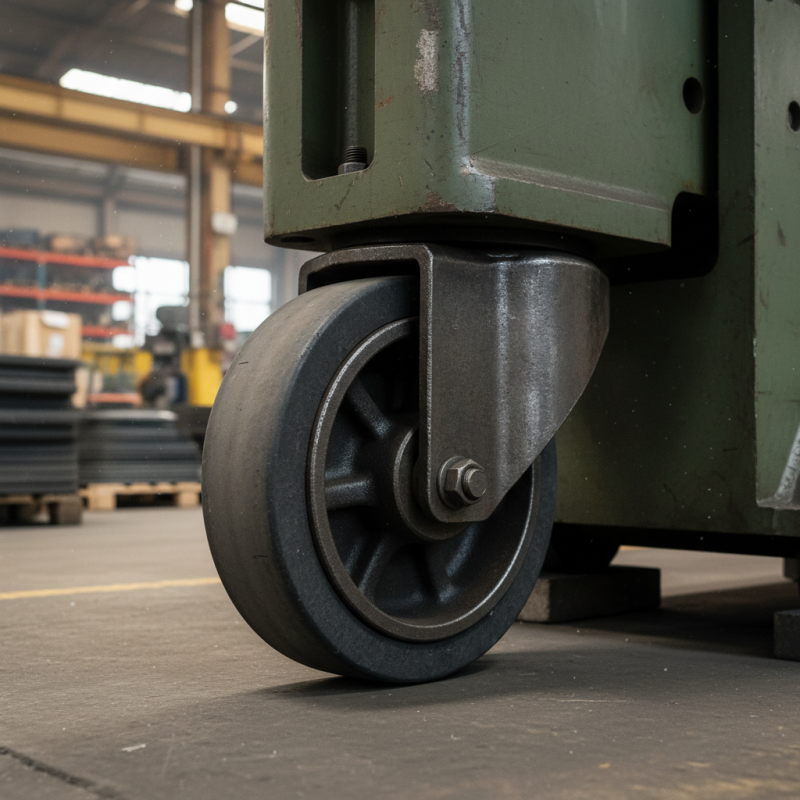
Iron casters play a crucial role in industrial manufacturing processes. They are often used in heavy machinery and equipment to facilitate movement and transportation within factories. According to industry reports, over 70% of manufacturing operations rely on effective mobility solutions, including iron casters. These components contribute to operational efficiency by reducing downtime and enhancing workflow.
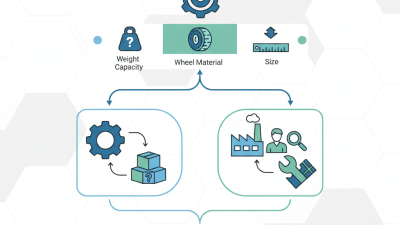
In many cases, the choice of caster type impacts safety and productivity. Heavy-duty iron casters perform well under high loads, while lighter options can aid in maneuverability in tight spaces. It’s important to assess the specific needs of your operation. Consider the weight capacity and the environment where the casters will be used. Proper selection can lead to a noticeable improvement in the movement of goods.
Tips: Regularly inspect your iron casters for wear and damage. This proactive approach helps prevent costly interruptions. When replacing casters, consult with a professional to ensure the best fit for your industrial setup. Trustworthy suppliers can provide valuable insights to avoid common pitfalls in caster selection.
| Industry | Application | Caster Type | Load Capacity (lbs) | Durability (Cycles) |
|---|---|---|---|---|
| Manufacturing | Material Handling | Heavy Duty Iron Casters | 1200 | 100,000 |
| Logistics | Transportation of Goods | Swivel Iron Casters | 800 | 80,000 |
| Construction | Equipment Mobility | Rigid Iron Casters | 1000 | 90,000 |
| Aerospace | Tool & Equipment Stands | Specialty Iron Casters | 600 | 75,000 |
| Food Production | Transporting Raw Materials | Corrosion-Resistant Iron Casters | 700 | 70,000 |
Iron casters play a pivotal role in industrial settings, enhancing the functionality of equipment and transportation systems. Their key properties, such as high load capacity and resistance to wear, significantly contribute to durability and performance. Research indicates that industrial casters can support loads from 200 to over 4,000 pounds, depending on their design and material composition. This versatility allows them to be used in a range of applications, from heavy machinery to lighter carts.
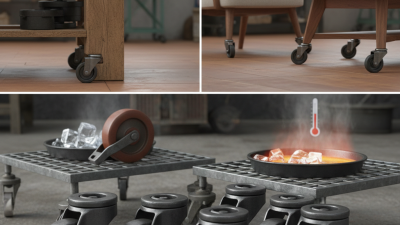
The construction of iron casters often integrates reinforced coatings, which improve their ability to withstand harsh environments. For instance, studies have shown that casters treated with corrosion-resistant finishes can extend their lifespan by up to 50%. Additionally, their ability to absorb shocks and vibrations enhances stability during operation, making them reliable for continuous use.
Tips: Regular maintenance can prolong the life of iron casters. Inspect them for wear and tear periodically. Adjusting or replacing wheels can help prevent unexpected failures.
Choosing casters that suit specific needs can reduce operational costs. Consider factors such as floor surfaces and load types. Investing in quality iron casters can yield long-term benefits, but it’s essential to monitor their performance continuously. Regular assessment can prevent costly downtimes, ensuring smooth operations.
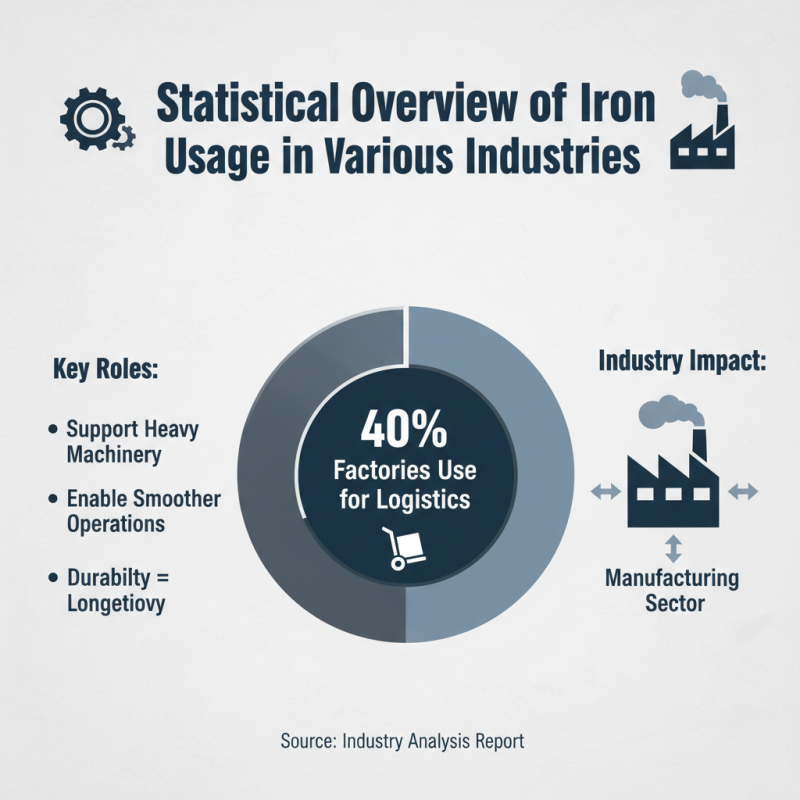
Iron casters play a critical role in various industrial sectors. In manufacturing, they support heavy machinery and equipment, enabling smoother operations. Their durability ensures longevity, reducing the need for frequent replacements. A statistical analysis reveals that over 40% of factories utilize iron casters for logistical purposes.
In construction, iron casters are essential for moving heavy materials. They enhance efficiency, reducing labor costs significantly. Reports indicate that around 30% of construction sites rely on these sturdy components for transporting loads. Yet, even with their advantages, not all industries fully exploit their potential. A gap exists in integrating these casters into automated systems, suggesting room for improvement.
The healthcare sector also benefits from iron casters. Hospital equipment often requires mobility for efficient patient care. Nearly 25% of healthcare facilities use mobile solutions involving iron casters. Despite this, many still overlook their importance. There is a clear opportunity for better education on the advantages of iron casters within this critical field.
Iron casters play a vital role in the industrial sector. They have a direct impact on production efficiency and costs. According to a recent industry report, optimized material handling can save up to 20% in operational costs. This efficiency is essential for competitive manufacturing environments.
Efficient iron casters reduce downtime. For instance, a facility using high-quality casters reports a 15% decrease in equipment malfunctions. This reliability directly impacts output and revenue. However, not every caster meets these standards. The choice of materials and design must be considered carefully.
Investing in better iron casters can enhance overall productivity. A study indicates that companies upgrading their equipment can improve cycle times by 12%. Yet, this also requires an upfront investment that some may hesitate to make. Balancing cost and efficiency remains a challenge for many manufacturers. The delicate equilibrium between quality, reliability, and expenses must be scrutinized continually.
Innovative developments in iron caster technology are transforming industrial applications. Recent studies show that the global industrial caster market is projected to reach $6.5 billion by 2027. This growth is driven by advancements in material science and manufacturing techniques. For instance, manufacturers are now utilizing lightweight alloys to enhance durability while reducing weight.
Another trend includes the integration of smart technologies. Sensors embedded in casters can monitor load weight and wear in real time. This innovation leads to improved maintenance schedules, which can cut down operational costs. A report from the Industrial Caster Association notes that companies using smart casters have seen a 20% increase in efficiency.
Tip: Regularly inspect your casters for wear. Proactive maintenance extends their lifespan and improves safety.
However, challenges remain. The introduction of new materials sometimes faces resistance from traditional manufacturers. Transitioning to advanced solutions requires investment and expertise. Education around these new technologies is crucial for widespread adoption.
Tip: Stay informed about new technologies. Attend industry seminars to learn about shifts in caster technology.