Top Tips for Choosing Iron Castor Wheels for Your Needs?
When selecting the right Iron Castor Wheels, it’s crucial to understand their specifications and applications. According to a 2022 market report by Industrial Insights Research, the demand for durable, heavy-duty casters has increased by 15% in the manufacturing sector. Industry expert John Anderson states, "Choosing the right wheels can enhance efficiency and safety in operational environments."
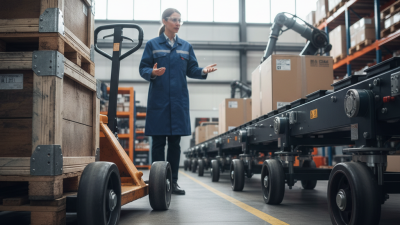
Iron castor wheels are essential for various applications, ranging from industrial machinery to mobility carts. They provide strength and stability. However, not all iron castor wheels are made equal. The variety of load capacities and sizes can be overwhelming. There may be hidden challenges when selecting these products. Each application has unique requirements that demand careful consideration.
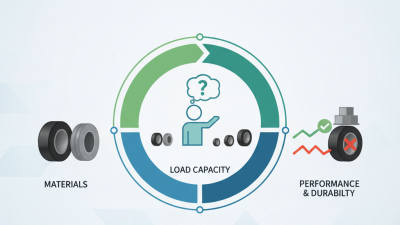
Attention to detail is necessary. Consider the wheel’s material and the environment it operates in. Factors like temperature, moisture, and surface type can impact performance. A mismatched selection could lead to premature failure or costly downtime. Finding the right balance of durability and functionality is an ongoing process. Always revisit your choices as needs evolve.
Understanding the Basics of Iron Castor Wheels and Their Applications
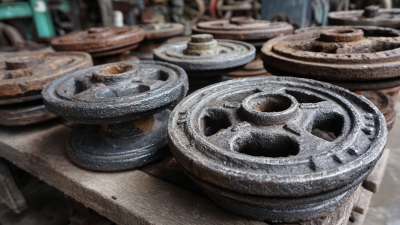
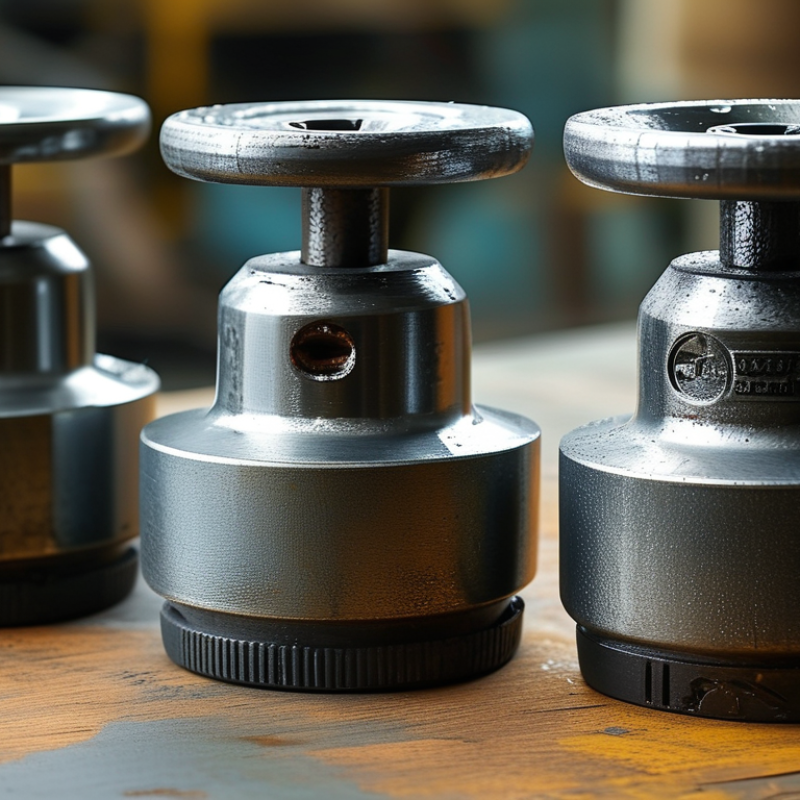
Iron castor wheels are essential components in various industrial and commercial applications. They offer durability and stability, making them ideal for heavy loads. Understanding their construction is important. Iron castors are typically made from high-quality cast iron, providing strength and resistance to wear. This makes them suitable for environments where heavy machinery is used.
When selecting iron castor wheels, consider the surface type. Different wheels perform better on specific surfaces. For example, hard surfaces like concrete require tougher wheels, while softer materials might benefit from softer compounds. Also, think about load capacity. Choosing a wheel that can support the weight is crucial to prevent failure.
Another factor is wheel diameter. Larger wheels roll more easily over obstacles, which can improve maneuverability. Yet, they might also require more space. Reflecting on these details will help you make better choices. Remember, even with the best wheels, proper installation and maintenance play significant roles in performance.
Key Factors to Consider: Load Capacity and Weight Distribution
When choosing iron castor wheels, load capacity is crucial. Each wheel has a maximum weight they can bear. Knowing this ensures safety and functionality. A wheel that cannot handle the weight may fail, causing damage or injury. It's wise to overestimate your needs. This gives you a buffer for unexpected loads.
Weight distribution is equally important. An uneven load can strain wheels and lead to premature wear. Consider how weight is spread across your setup.
Uneven distribution can reduce stability, making movement difficult. Adjustments might be necessary to ensure balanced weight. Test the setup before finalizing your choice. Reflect on any changes needed to improve performance. Ensuring proper load capacity and weight distribution leads to more reliable results.
Evaluating Wheel Size and Diameter for Optimal Performance
When selecting iron castor wheels, evaluating wheel size and diameter is crucial. The diameter directly affects the wheel's performance on various surfaces. A larger diameter ensures smoother movement over obstacles. It reduces rolling resistance, making it easier to push heavy items. This is particularly important in industrial settings where efficiency is key.
Consider the weight capacity and specific use of the wheels. Smaller diameter wheels can create challenges. They may not perform well on uneven ground. This can lead to strain on both the wheel and the user. It's essential to think about where the wheels will be used. Some applications require robust, larger wheels for a more stable ride.
Choosing the right size also involves understanding the turning radius. A larger wheel may not maneuver easily in tight spaces. Reflect on the environment and how often movements will occur. Gaining insight into these factors will ensure you select the most appropriate wheels. Testing different sizes can often reveal unexpected challenges. Each choice has its own set of advantages and limitations.
Material Differences: When to Choose Iron Over Other Materials
When selecting caster wheels, material choice is crucial. Iron is known for its durability and resilience. It can withstand heavy loads and harsh conditions. This makes iron ideal for industrial settings. It resists wear and tear better than plastics. However, it can rust if exposed to moisture. Consider your environment carefully.
Other materials like nylon and rubber may offer more flexibility. They are lighter and quieter on smooth surfaces. Yet, they may not hold up as well under extreme weight. Iron is the go-to for stability. It excels on rough terrains or uneven floors. But, it may not be suitable for all applications.
Reflect on your specific needs. If mobility and noise are key, explore alternatives like rubber. If strength and longevity matter more, iron is your best bet. Each option has its pros and cons. Take the time to evaluate which material aligns best with your requirements. Every choice shapes functionality and efficiency.
Design and Mobility Features: Enhancing Maneuverability and Control
When choosing iron castor wheels, design and mobility features play a crucial role. The right design enhances maneuverability. Look for wheels with a wide wheelbase. This offers stability, especially on uneven surfaces. Bolted or welded brackets also provide durability for heavy loads.
Control is equally important. A swivel wheel can make tight turns easier. Consider a dual-wheel design for smoother navigation. However, remember that wider wheels can stick to uneven ground. Additionally, the material finish matters. A well-coated wheel resists corrosion and reduces friction.
Evaluate your specific needs. These wheels should fit your equipment perfectly. Check weight capacity to ensure safety. Reflect on past experiences to avoid mistakes. Sometimes, overestimating the weight can lead to poor performance. This thoughtful consideration leads to better decisions in choosing the right iron castor wheels.
Top Tips for Choosing Iron Castor Wheels for Your Needs
| Feature |
Description |
Importance |
| Load Capacity |
Determine the maximum weight the wheels can support for your application. |
Crucial for safety and functionality. |
| Wheel Diameter |
Larger wheels roll easier over obstacles and surfaces. |
Affects maneuverability. |
| Swivel vs. Rigid |
Swivel wheels allow for easier turning; rigid wheels offer straight-line stability. |
Based on your movement needs. |
| Material Type |
Iron offers durability; consider surface finish for corrosion resistance. |
Affects longevity and maintenance. |
| Tread Style |
Different tread patterns improve grip on different surfaces. |
Influences traction and stability. |
| Braking System |
Some wheels come with built-in brakes for added control. |
Enhances safety in stationary applications. |
| Environmental Considerations |
Choose wheels suitable for indoor or outdoor use. |
Ensures functionality in various settings. |