Essential Tips for Choosing the Right Furniture Castors?
Choosing the right furniture castors can dramatically impact both function and aesthetic. Expert designer Jonathan Reed emphasizes, “The right castors define mobility and style.” With a wide array of options available, selecting the perfect furniture castor requires careful consideration.
Many people overlook the importance of castors. They serve a vital role in furniture mobility. Choosing the wrong type might lead to scratches on your floors or, worse, furniture instability. Size and material matter significantly in daily use. Lightweight castors may suit certain pieces, but heavy furniture needs robust options.
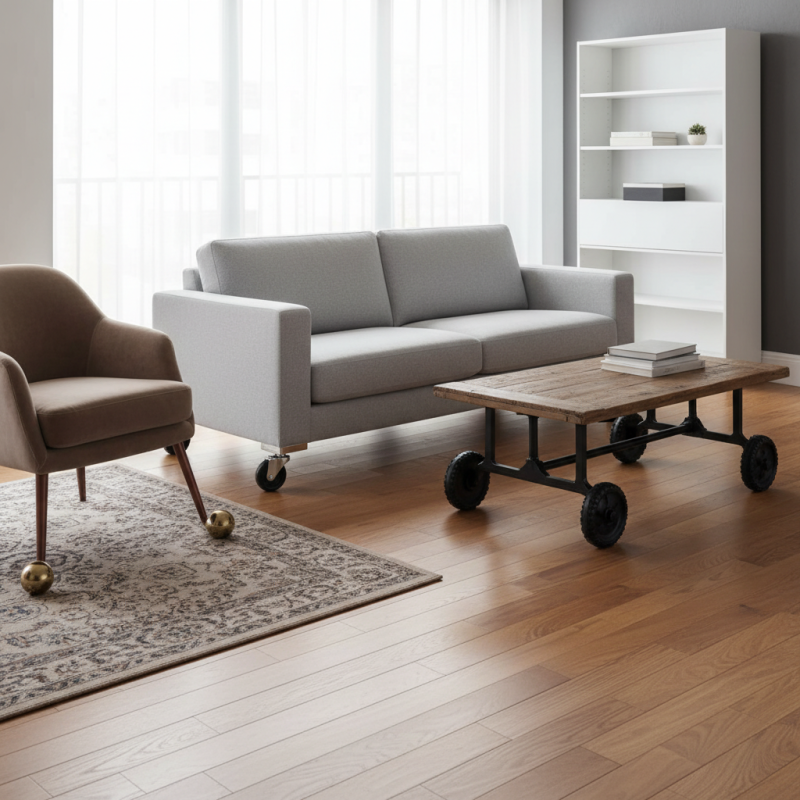
Visualize your space and the furniture movement. Will it glide smoothly over carpets or hard floors? Consider designs that complement your décor. The ideal furniture castor should be durable yet stylish. In this journey of selection, find balance—functional efficiency versus visual appeal.
Understanding Different Types of Furniture Castors
When choosing furniture castors, understanding the types available is crucial. There are various kinds, each serving a specific function.
Swivel castors can rotate 360 degrees, allowing for easy mobility.
They are perfect for chairs and desks but may wobble on uneven surfaces. Fixed castors are another option. They provide stability but limit maneuverability.
Material is an essential factor to consider. Rubber castors are gentle on floors, reducing scratches. They are ideal for homes with hardwood or tiles.
In contrast, metal castors are durable, suitable for heavy furniture. However, they may damage softer flooring.
Load capacity is often overlooked. Each castor has a weight limit, which must be respected.
Overloading can lead to wear and tear. Reflect on the furniture's purpose.
Is it for frequent movement or static placement? Understanding your needs will guide you in selecting the right castors.
Factors to Consider When Selecting Furniture Castors
When selecting furniture castors, several key factors should guide your decision. The weight capacity is crucial. According to a report by the Furniture Industry Association, the average office chair's castor should support at least 250 pounds. This prevents damage and ensures durability. A chair that wobbles under weight isn't just uncomfortable; it can lead to accidents.
Material choice is also essential. Hard plastic castors work well on carpets, but they can scratch hardwood. In contrast, rubber castors provide better floor protection and quieter movement. The Office of Industry Statistics notes that noise reduction is a critical factor for many office environments. Yet, not everyone considers this when purchasing.
Additionally, compatibility with existing furniture can’t be overlooked. Some castors may not fit standard legs or bases. This can lead to costly mistakes or awkward installations. Research by Home Design magazine highlights that 30% of homeowners experience issues with castor compatibility. Notably, the right swivel angle should also be factored in. Improper angles can hinder movement and create frustration. Always measure before buying.
Assessing Load Capacity and Weight Distribution
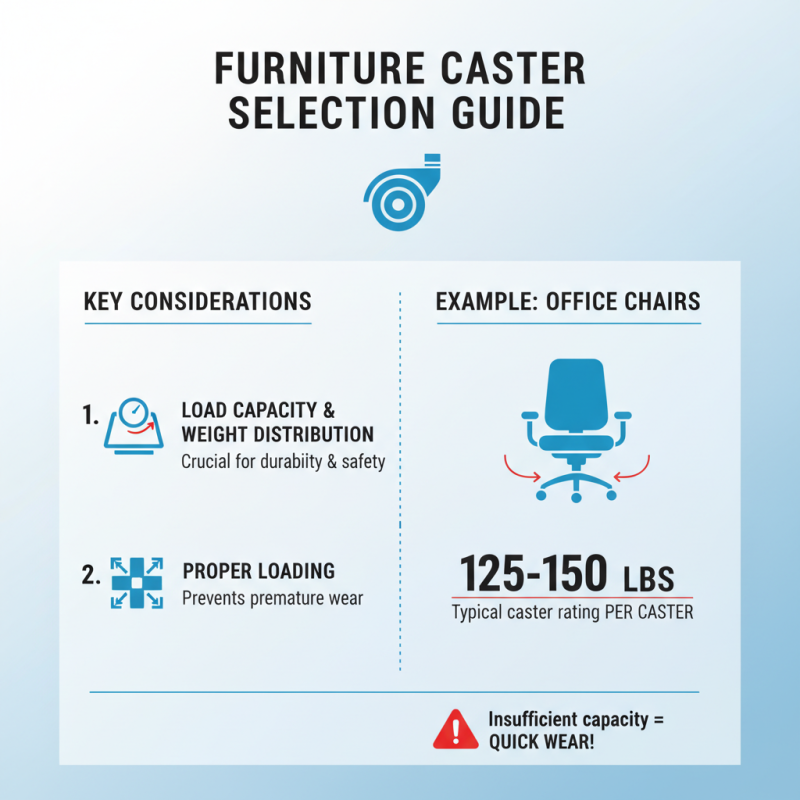
When selecting furniture castors, assessing load capacity and weight distribution is crucial. Proper loading ensures durability and safety. For instance, office chairs commonly use castors rated for around 125-150 pounds. Choosing castors with insufficient load capacity can lead to premature wear.
It’s essential to understand how weight is distributed. An unevenly weighted piece can cause specific castors to bear excessive loads. Reports suggest that up to 30% of castor failures come from inadequate weight management. Therefore, evaluate the total weight of the furniture, including what it holds.
Tips: Consider using a combination of different castor types. This can help balance weight distribution. Regularly inspect them for wear and tear. Castors should roll easily while supporting the furniture properly. Be wary of low-quality materials, as they may compromise functionality. Choose wisely to enhance your furniture’s longevity and performance.
Choosing the Right Material for Your Castors
Choosing the right material for furniture castors can greatly enhance your mobility experience. Often overlooked, this selection impacts functionality and durability. Common materials include rubber, plastic, metal, and polyurethane. Each has its strengths and weaknesses.
Rubber castors provide excellent grip on various surfaces. They are quiet when rolling and protect the floor. However, they may wear out faster on rough terrains. Plastic castors are lighter and budget-friendly but can crack under heavy loads. Metal castors are robust and ideal for heavy furniture. Yet, they may scratch delicate floors.
Polyurethane has gained popularity for its versatility. It combines elements from rubber and plastic. It rolls smoothly on many surfaces and lasts longer than traditional materials. No perfect choice exists. Consider your specific needs, such as weight, floor type, and frequency of movement. Reflect on your lifestyle and choose wisely.
Essential Tips for Choosing the Right Furniture Castors
| Material |
Durability |
Noise Level |
Surface Compatibility |
Best Use Case |
| Plastic |
Moderate |
Low |
Hardwood, Tile |
Light Furniture |
| Rubber |
High |
Very Low |
Sensitive Flooring |
Office Chairs |
| Metal |
Very High |
Moderate |
All Surfaces |
Heavy Furniture |
| Wood |
High |
Low |
Wood Floors |
Traditional Decor |
| Polyurethane |
High |
Low |
Durable Surfaces |
Multifunctional Use |
Evaluating Compatibility with Different Floor Surfaces
When choosing furniture castors, compatibility with floor surfaces is crucial. Hard floors like tile or hardwood can scratch easily. Soft rubber castors can protect these surfaces, reducing damage. However, they may not glide as smoothly as others. On the other hand, hard plastic castors can roll effortlessly but pose a risk to delicate floors.
Consider the weight of your furniture too. Heavy items may need robust castors that can handle the burden. If your chair or table is lightweight, smaller castors could suffice. Keep in mind that not all castors are created equal. Some may lock in place, preventing movement on sloped surfaces. This might be an important feature for safety.
It’s worth experimenting a bit. Try out different castors on your furniture before making a final choice. Some castors might cause more trouble than expected. You might find one type works well on one type of flooring but not another. Each floor offers a unique challenge. Don’t overlook the importance of a proper selection. The right castors can enhance mobility without compromising your floors.