Top Stem Swivel Casters for Your Business Needs?
In the fast-paced world of logistics and manufacturing, choosing the right equipment is crucial. Stem swivel casters play an essential role in ensuring mobility and efficiency. According to a report by the Material Handling Industry of America (MHIA), the demand for high-quality casters is expected to grow by 7% annually over the next five years. This underscores their importance in various industrial applications.
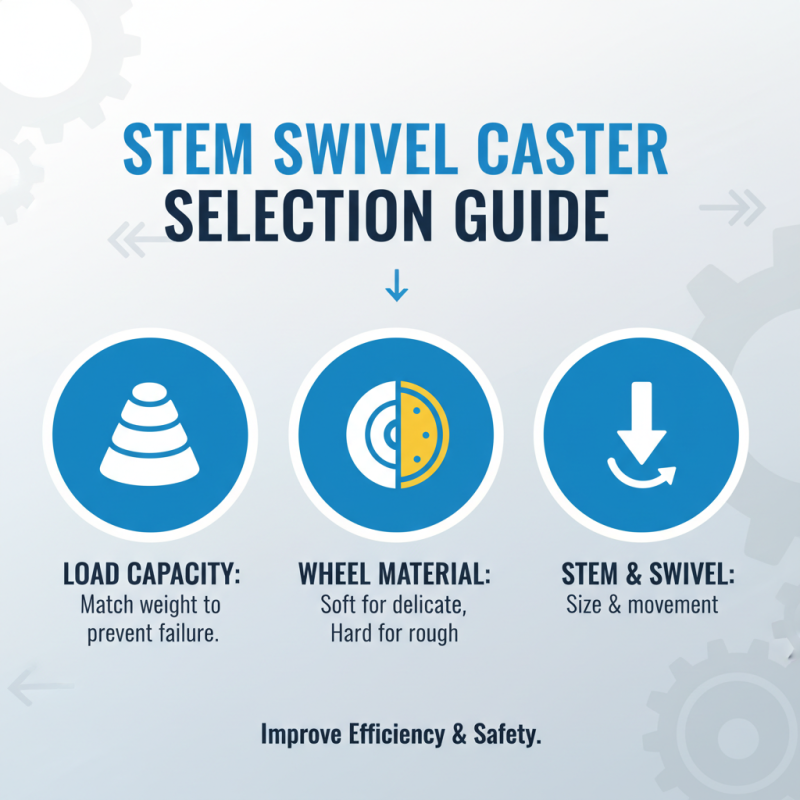
Expert Michael Richards, a renowned authority in material handling systems, emphasizes, “The right stem swivel casters can significantly enhance workflow efficiency.” His insights reflect a growing recognition of how essential these components are in streamlining operations. Yet, not all casters are created equal. It’s vital to consider load capacity, wheel material, and design before making a choice.
While many businesses prioritize cost, compromising on quality can lead to increased maintenance and downtime costs. The right decision on stem swivel casters could transform your operations. However, evaluating options requires careful consideration. Factors like floor surface and usage frequency must not be overlooked. Investing in this equipment can lead to long-term benefits, but mistakes can be costly.
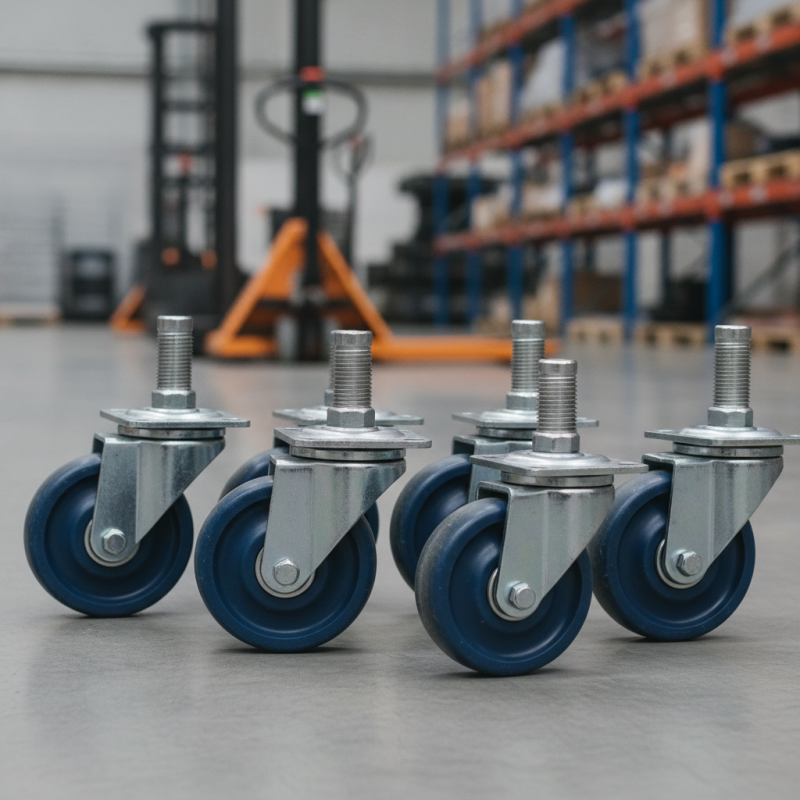
Understanding Stem Swivel Casters: Types and Applications
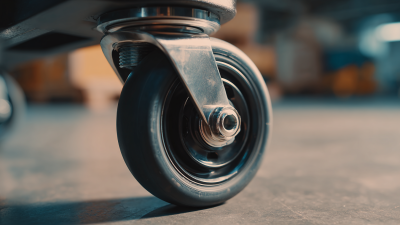
Stem swivel casters are vital for many businesses. They provide mobility and stability for various applications. Understanding the types of stem swivel casters can greatly enhance operational efficiency. There are several designs, including threaded, grip ring, and expansion stem casters. Each type serves different purposes and fits specific needs.
Choosing the right caster involves more than just size and load capacity. You need to assess the surface it will roll on. Some casters perform poorly on uneven terrain. Others may struggle on soft surfaces, causing unnecessary wear. Consider your specific environment when selecting. Often, businesses overlook these critical details, leading to unnecessary downtime and replacements.
Maintenance is another aspect to consider. Regular checks can prevent unexpected failures. Many users neglect this, thinking a sturdy design will last indefinitely. Addressing wear and ensuring proper lubrication can extend a caster's lifespan. Making informed choices can significantly reduce operational headaches in the long run.
Top Stem Swivel Casters for Your Business Needs
This bar chart illustrates the different types of stem swivel casters and their applications in various industries, helping businesses make informed choices based on functionality and usage.
Key Features to Consider When Choosing Stem Swivel Casters
Choosing the right stem swivel casters for your business can significantly impact efficiency. When looking for these components, focus on crucial features. Load capacity is vital. Assess the weight each caster needs to support. Exceeding this limit leads to failures, causing potential accidents. Also, consider the wheel material. Soft rubber wheels are ideal for delicate surfaces. Harder wheels excel on uneven terrain.
Another aspect to evaluate is the swivel radius. A greater radius allows for smooth turns. Test the swivel action before purchasing. A tight swivel may hinder movement. Additionally, examine the mounting height, which can affect the overall equipment stability. Ideal height ensures balance, reducing risks of tipping.
Don't underestimate the importance of maintenance. Regular checks prolong the life of your casters. Dust and debris can hinder performance. Finally, keep in mind that your workspace's unique needs may require customized solutions. Tailor your choices to fit those requirements for the best results.
Top Brands Offering Quality Stem Swivel Casters for Businesses
Choosing the right stem swivel casters is crucial for your business's efficiency. Various top brands excel in offering quality options, ensuring durability and smooth mobility. When selecting casters, consider the weight capacity. The right choice can make a vast difference in your daily operations. Many businesses overlook this factor, leading to premature wear or malfunction.
One common mistake is not assessing the floor surface. Different surfaces require different types of casters. For example, soft floorings may need softer wheels to prevent damage. On the other hand, hard surfaces require sturdier designs to endure rigorous movement. Always think about the setting where your equipment will operate. This decision can greatly impact not only performance but also safety.
Tip: Regular maintenance can extend the life of your casters. Check for debris that might obstruct movement. A clean workspace contributes to smoother operations.
Choosing the right size is another aspect that is often neglected. Casters that are too small can hinder mobility and increase effort required for movement. Too large designs may not fit the equipment properly. Take precise measurements before making a purchase. Accurate sizing helps maintain functionality and efficiency in your workspace.
Comparative Analysis of Stem Swivel Casters: Pros and Cons
When selecting stem swivel casters, businesses face a range of options, each with distinct advantages and limitations. On one hand, swivel casters provide enhanced maneuverability. This is especially beneficial in tight spaces, as they can easily pivot around corners. According to a report from the Caster & Wheel Association, 75% of warehouse managers prefer swivel casters due to their efficiency in navigation.
On the flip side, these casters can compromise stability. In heavy-load scenarios, swivel casters may cause tipping or rolling. A study from the Industrial Caster Group highlighted that 43% of accidents in storage facilities were linked to improper caster use. These findings emphasize the need for careful selection based on the specific demands of the environment.
Furthermore, not all stem swivel casters are created equal. The materials used, such as rubber or polyurethane, can impact performance and durability. Additionally, the weight capacity varies significantly. Choosing a caster that exceeds your weight requirements can prevent premature wear. Therefore, it’s crucial to evaluate both the operational environment and intended use.
Top Stem Swivel Casters for Your Business Needs
| Feature |
Stem Swivel Caster A |
Stem Swivel Caster B |
Stem Swivel Caster C |
| Weight Capacity |
200 lbs |
300 lbs |
250 lbs |
| Wheel Material |
Rubber |
Polyurethane |
Nylon |
| Swivel Radius |
4 inches |
5 inches |
4.5 inches |
| Brake Type |
Total Lock |
Directional Lock |
None |
| Price Range |
$20 - $30 |
$25 - $40 |
$15 - $25 |
Maintenance Tips for Longevity of Stem Swivel Casters in Business Use
When dealing with stem swivel casters in a business setting, maintenance is key for performance and longevity. Proper care can significantly reduce wear and tear. Regular inspection is essential. Check for debris stuck in the wheels. Keep a close eye on the casters' swivel action. If you notice resistance, it's time to take action.
Here are some practical tips for maintaining your casters. Clean the wheels weekly to prevent build-up. Use mild soap and water for a thorough cleanse. Lubricate the swivel mechanism every month. This ensures smooth movement and can prevent costly replacements. Adapting to your specific environment can also help. For instance, if you operate in a dusty area, increase the cleaning schedule.
Don’t forget to check the load capacity. Overloading can cause premature failure. Installing the right size and type of caster for your application is critical. You may notice some options perform better on different surfaces. Testing various casters may help identify the most effective choice for your business needs. A little attention goes a long way in extending the life of your stem swivel casters.