Best Furniture Castor Wheels for Smooth Movement and Durability?
In the world of furniture, movement and durability are key. Furniture castor wheels play a vital role in facilitating smooth mobility. Expert Robert Hart, a specialist in furniture design, once said, “Quality castor wheels can truly enhance the functionality of any piece.” His insight reflects the importance of choosing the right wheels for your furniture.
Selecting durable, high-quality furniture castor wheels not only improves movement but also protects your floors. The right wheels can prevent scratches and maintain the beauty of hardwood or tile surfaces. It's crucial to consider factors like material and weight capacity when making a choice.
Yet, many overlook the significance of these small components. They may settle for cheaper alternatives, sacrificing longevity for immediate savings. This decision often leads to frustration and additional costs over time. Investing in reliable furniture castor wheels is about long-term satisfaction and functionality.
Understanding the Importance of Quality Furniture Castor Wheels
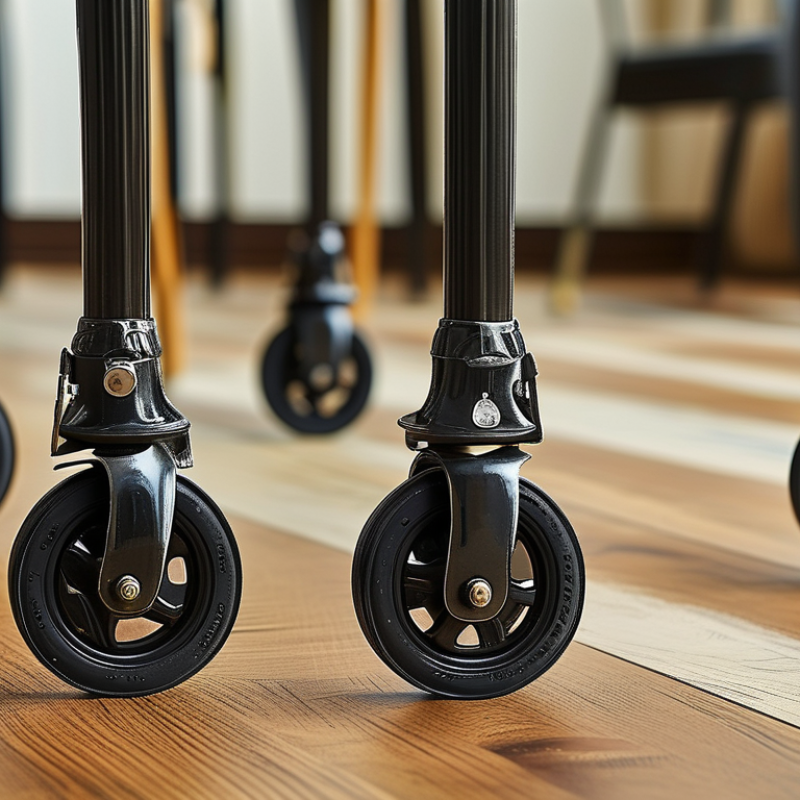
Quality furniture castor wheels play a pivotal role in ensuring smooth movement and longevity of furniture pieces. Proper wheels reduce friction, making it easier to move items without causing strain or damage. When selecting castor wheels, consider materials and build quality. Durable wheels resist wear and tear, which is essential for both home and office environments.
Many overlook the importance of wheel size. Larger wheels can navigate obstacles and uneven surfaces more effortlessly. This factor is often underestimated, yet it significantly impacts mobility. Additionally, soft wheels are suitable for hardwood floors, while hard wheels work well on carpets. It's essential to evaluate the surface type before making a choice.
Investing in high-quality castor wheels enhances overall functionality. However, it’s easy to dismiss their importance until issues arise. For instance, cheap wheels can lead to frustrating mobility problems and potential damage to floors. Users might find themselves frequently replacing them. Understanding these factors aids in making informed decisions, ultimately improving the efficiency of your space.
Best Furniture Castor Wheels for Smooth Movement and Durability
Types of Furniture Castor Wheels: Materials and Functions
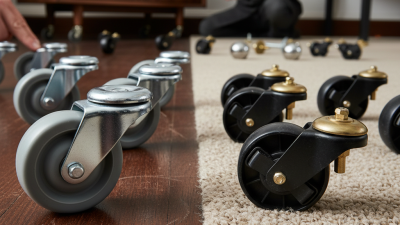
Furniture castor wheels come in various types, made from different materials, each serving specific functions. Common materials include rubber, nylon, and metal. Rubber wheels offer shock absorption, making them ideal for hard floors. They reduce noise and protect surfaces from scratches. Nylon wheels, on the other hand, are more durable and better for heavy loads, as they can withstand wear and tear. They are also resistant to moisture and chemicals, making them suitable for industrial applications.
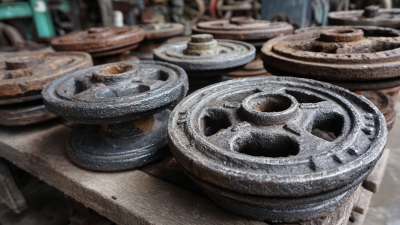
According to a recent industry report, nearly 70% of consumers prefer castors that provide smooth movement. This demand highlights the importance of selecting the right material. Metal wheels are strong but can damage floors if not designed thoughtfully. They work well in situations where heavy equipment needs to roll. However, they might not offer the same level of floor protection as rubber.
Choosing the appropriate castor wheel depends on the furniture's purpose. For example, furniture that is frequently moved can benefit from rubber wheels. However, it’s essential to assess if these wheels might wear down more quickly with constant usage. Industry surveys show that 40% of users experience dissatisfaction due to incompatibility with their flooring. This reality encourages thoughtful selection based on material, weight capacity, and usage frequency.
Key Features to Look for in Durable Castor Wheels
When selecting castor wheels, durability and smooth movement are essential. Industry experts suggest examining key features that influence performance. Materials used in construction significantly impact longevity. High-quality thermoplastics or polyurethane provide both resilience and grip. They are often preferred for diverse flooring types, minimizing wear and tear.
Load capacity is another important factor. Research indicates that castor wheels must be rated appropriately for the intended use. Overloading can lead to premature failure. A report by the National Institute of Occupational Safety and Health found that wheels with a capacity margin of 20% perform better over time. It’s crucial to match the wheel type with the intended environment, such as office spaces or industrial settings.
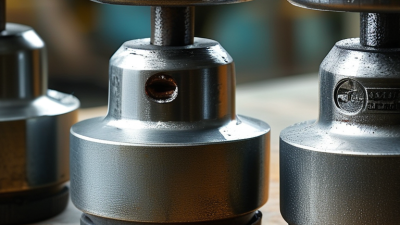
Bearings play a crucial role in the smoothness of movement. Precision ball bearings are recommended for optimal mobility. However, it’s essential to consider maintenance. Regular inspection and lubrication can enhance lifespan. Not every wheel type is maintenance-free; users must be aware that neglect can lead to issues. Balancing convenience with durability requires informed choices.
Best Brands and Products for Smooth Movement
When selecting castor wheels for furniture, consider movement and durability as key factors. High-quality wheels reduce friction and allow for smoother gliding on various surfaces. Using softer wheel materials can enhance movement on hard floors, preventing scratches. For thicker carpets, sturdy wheels offer the best support, providing stability and ease of maneuverability.
Some of the best products emphasize these features. They are often made with polyurethane or rubber. These materials can withstand heavy usage and resist wear over time. However, not all wheels perform well under all conditions. It takes some experimentation to find the right combination for your specific needs.
Maintenance is crucial for optimizing performance. Regularly check for any debris or damage that could hinder movement. Sometimes, wheels that seemed perfect initially may develop issues over time. It’s good to reassess periodically; even the best castor wheels require care.
Maintenance Tips for Prolonging the Life of Furniture Castors
Maintaining furniture castor wheels is essential for their longevity and performance. Clean them regularly to prevent dust buildup. Dust can hamper their smooth movement. Use a damp cloth, but be cautious not to soak the wheels. This simple habit will help you avoid the frustration of sticky wheels.
Another key aspect involves lubrication. Use a silicone spray or a light machine oil. Apply it carefully to avoid excess, which can attract more dirt. Regular lubrication ensures that the wheels glide seamlessly across various surfaces. However, be mindful; over-lubricating can lead to a mess and may not enhance performance as expected.
Inspecting the wheels periodically is equally important. Check for wear and tear. Look for cracks, flat spots, or any misalignment. Any damage could lead to poor functionality. Replacing worn-out castors in time is vital for both safety and ease of movement. A proactive approach will save you from regret later.