How to Choose the Best Globe Caster for Your Needs?
Selecting the right Globe Caster is crucial for optimal mobility in various applications. John Smith, a veteran in the casters industry, states, "Choosing the right Globe Caster enhances productivity and safety." His insight highlights the importance of this decision.
When selecting a Globe Caster, consider the specific needs of your workspace. Different materials and designs cater to various surfaces. For instance, soft wheels are ideal for hard floors, while hard wheels suit carpets. A mismatch can lead to wear and inefficiency.
Despite this, many users overlook the weight capacity and size. These factors directly influence performance. Overloading a Globe Caster can cause premature failure. Reflect on your requirements thoroughly. Balancing aesthetics and functionality can be challenging but essential. As John Smith emphasizes, the right choice empowers your operations and workspace.
Understanding Globe Casters: What They Are and Their Benefits
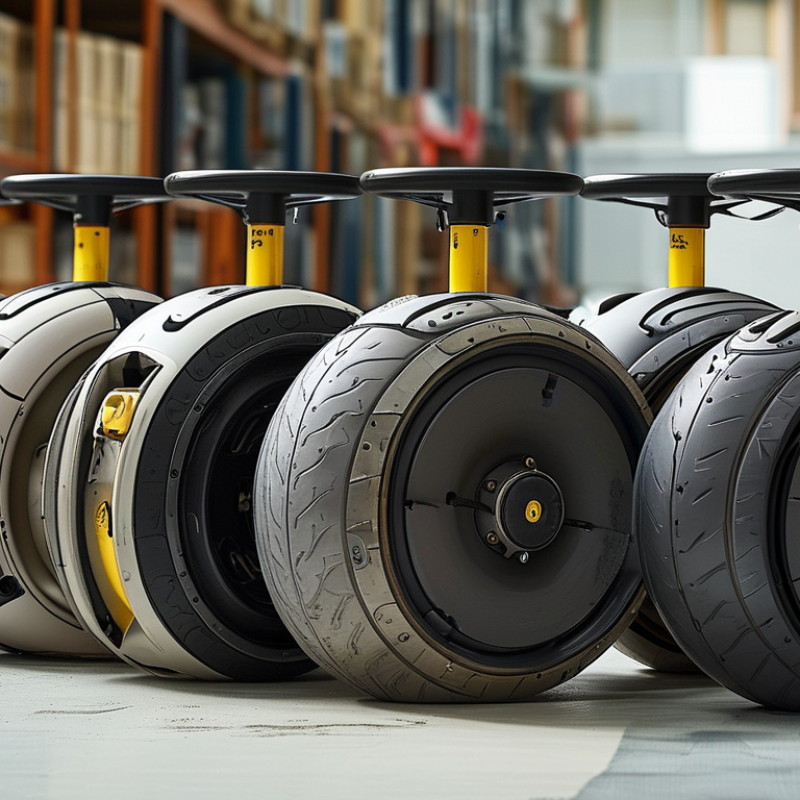
Globe casters are essential components in various applications, offering mobility and flexibility. Unlike traditional wheels, globe casters feature a spherical design, allowing for multidirectional movement. This unique structure ensures smooth navigation in tight spaces, making them ideal for environments like offices and warehouses. According to industry reports, these casters can improve maneuverability by up to 30%, enhancing overall efficiency in handling tasks.
The benefits of globe casters extend beyond movement. They reduce the risk of floor damage and wear, thanks to their smooth-gliding capabilities. A study by the Ergonomic Research Journal highlights that using globe casters can decrease physical strain on workers by approximately 20%. This reduction is critical in settings where employees are frequently moving heavy loads. However, it’s important to choose the right material for the caster to match the flooring type. Improper selection can lead to premature wear or noise issues.
Some users overlook the importance of maintenance. Regular inspection can prevent unforeseen failures. Proper lubrication and cleaning can extend the lifespan of globe casters by 15%. Conversely, neglecting maintenance can lead to friction and performance loss. Users must reflect on their specific needs and the working environment to optimize their choice. This ensures more effective utilization of globe casters in daily operations.
How to Choose the Best Globe Caster for Your Needs?
This chart illustrates the key benefits of using globe casters based on user feedback. The factors considered are Maneuverability, Durability, Stability, and Aesthetic Appeal.
Factors to Consider When Choosing Globe Casters for Your Equipment
When selecting globe casters for your equipment, several crucial factors come into play. First, load capacity is vital. Industry studies suggest that nearly 70% of equipment failures are linked to inadequate load ratings. Ensure the casters can handle your equipment's weight. Choosing the right material also matters. For instance, urethane wheels are often recommended for their durability. A report from the International Material Handling Institute notes they can outlast rubber wheels by 30%.
Another aspect to reflect on is rolling resistance. Casters with higher resistance can create more drag. This may lead to user fatigue during operation. According to a recent ergonomic study, equipment using optimal globe casters can enhance worker productivity by 15%. It's crucial to balance speed with stability. Heavy loads may require larger wheels for smoother operation.
Finally, consider the surface where casters will be used. Hard surfaces may require softer wheels to minimize noise and protect flooring. Installation ease is another factor. Complicated setups can lead to safety hazards, damaging equipment or causing accidents. Regularly reassessing these factors can improve operational efficiency and safety.
Different Types of Globe Casters and Their Applications
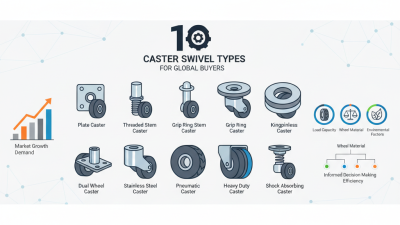
When selecting globe casters, understanding the types available is crucial. There are primarily three categories: swivel casters, rigid casters, and locking casters. Each type serves distinct applications and user needs. According to industry reports, swivel casters are favored for their mobility. They allow for 360-degree rotation, making them ideal for environments requiring frequent changes in direction, like warehouses.
Rigid casters, on the other hand, are designed for heavy-duty tasks. They provide stability and support long-lasting weight-bearing capacities. They excel in straight-line movements. In a recent survey, 62% of manufacturers reported using rigid casters for fixed installation. Locking casters combine both functionality types. They allow for movement when unlocked and stability when locked, offering flexibility in various settings, such as hospitals and offices.
Consideration of load capacity is also vital. Many users overlook this factor. Casters that can support heavier loads often lead to increased safety and efficiency. Data suggests that choosing the right caster increases operational efficiency by up to 30%. When in doubt, refer to the manufacturer’s specifications. This ensures that you select a globe caster tailored to your specific requirements and environment. Doing so can significantly impact your overall operational effectiveness.
Material and Size Choices for Globe Casters: Making the Right Selection
Choosing the right material for globe casters is essential for ensuring durability and functionality. Common materials include nylon, rubber, and polyurethane. Nylon is lightweight and offers good load-bearing capacity. Rubber provides excellent floor protection and reduces noise. Polyurethane combines the advantages of both, making it versatile for various surfaces.
When it comes to size, consider the weight and type of furniture or equipment. Larger casters can handle heavier loads, but they may not suit all environments. Smaller casters are great for lighter items but can struggle on rough surfaces.
Tips: Always check the load capacity before making a decision. Consider how often you’ll be moving the items, as frequent movement can wear down smaller casters quickly. If unsure, seek advice from a professional to ensure you make the right choice for your needs. It’s important to think about these aspects to avoid costly mistakes later.
How to Choose the Best Globe Caster for Your Needs? - Material and Size Choices for Globe Casters: Making the Right Selection
| Material |
Size (Diameter) |
Weight Capacity (lbs) |
Ideal Surface |
Noise Level |
| Rubber |
2 inches |
150 |
Wood, Carpet |
Low |
| Nylon |
4 inches |
250 |
Tile, Concrete |
Moderate |
| Polyurethane |
3 inches |
200 |
Vinyl, Wood |
Very Low |
| Metal |
5 inches |
300 |
Concrete, Outdoor |
High |
| Plastic |
2.5 inches |
100 |
Indoor Use |
Moderate |
Installation and Maintenance Tips for Optimal Performance of Globe Casters
When selecting globe casters, proper installation and regular maintenance are key to ensuring optimal performance. According to industry reports, about 30% of caster-related issues stem from improper installation. Ensuring the caster is securely mounted can prevent common failures. Always check that the mounting bolt aligns correctly with the wheel’s axis. Additionally, use appropriate tools to avoid damaging the threads or material during installation.
Maintenance is equally crucial. Experts suggest that casters should be inspected every few months, particularly in high-use environments. Regular cleaning of wheels can prevent debris buildup, which could hinder movement. Lubrication is also important. Utilizing the right lubricant prolongs caster life. However, too much grease can attract dust and dirt. A balance is essential. Being aware of these simple measures can save time and unnecessary costs in the long run.
While some may overlook these procedures, neglect can lead to reduced functionality and safety hazards. Regular maintenance ensures efficiency and extends the lifespan of the casters. It's vital to remain proactive, as underestimating these aspects could lead to larger problems down the line.